Fiber-Optic Technology Developed by U.S. Researchers to Detect Microcracks in Nuclear Fuel Containers

Early Warning for Potential Nuclear Storage Failures
According to НВ — Техно: Scientists from the University of Pittsburgh and the startup Sensible Photonics have engineered an advanced fiber-optic sensor system designed to identify microcracks and corrosion in steel containers that hold spent nuclear fuel. In early September, this innovative technology underwent testing at Idaho National Laboratory using a full-scale dry storage mockup. The system detects ultrasonic vibrations generated by the formation of microcracks and corrosion on the container walls, enabling precise pinpointing of metal damage sources.
Why This Innovation Matters
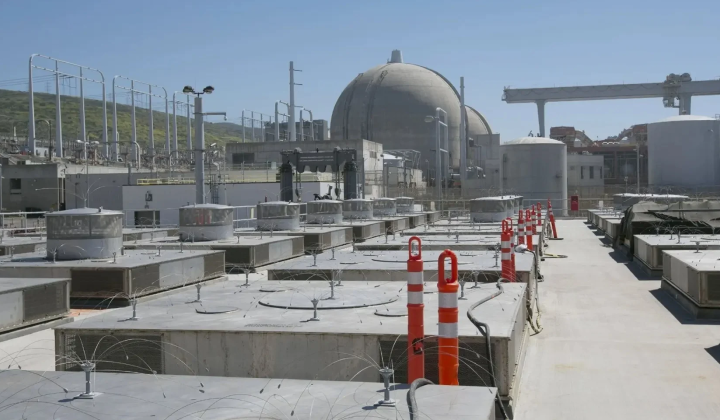
After nuclear fuel is used, it is initially cooled in water pools before being sealed inside steel containers. These containers are then enclosed within massive concrete shielding structures, where the fuel remains stored for decades. To facilitate cooling, ventilation openings are incorporated into the concrete blocks. However, when nuclear power plants are located near coastlines, salty sea air can infiltrate through these vents, accelerating steel corrosion. This corrosion poses a risk of developing through-cracks in the containers.
The newly developed fiber-optic system senses acoustic emissions-tiny vibrations produced as the metal undergoes structural failure. It can capture signals at frequencies exceeding 100 kilohertz, significantly outperforming conventional sensors that typically max out around 20 kilohertz. During the trials, optical fibers were attached to the outer surface of the container mockup. Sensitivity tests involved breaking pencil leads, which generated detectable acoustic waves that the sensors successfully identified and localized.
Researchers also explored various sensor mounting techniques, demonstrating the system’s adaptability to diverse operational environments. Designed to withstand prolonged exposure to high temperatures and radiation, these sensors are well-suited for the challenging conditions present in nuclear energy applications. This technology promises a substantial enhancement in the safety of spent nuclear fuel storage.
Developing this sensor system marks a crucial advancement in nuclear waste management safety. Detecting corrosion and cracks early can prevent severe environmental disasters. Especially for coastal nuclear plants facing heightened corrosion risks, such innovations are key to maintaining secure operations. Continued research and integration of these systems could greatly improve monitoring of nuclear waste conditions, contributing significantly to environmental protection efforts.

Read also