Natural Bays and Shoals Expanded the Capacity of Ancient Mediterranean Ports

Hidden Depths and Vast Capacity
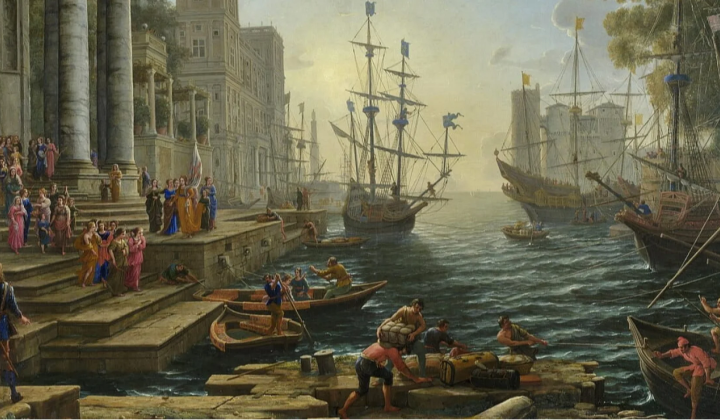
According to НВ — Техно: Ancient Mediterranean ports could accommodate far more ships than previously believed. A recent international study reveals that these harbors relied not only on man-made stone basins but also on natural features such as bays, sandy shoals, and open anchorages beyond constructed breakwaters.
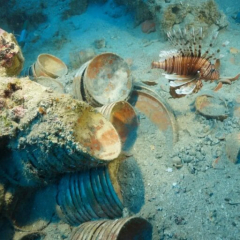
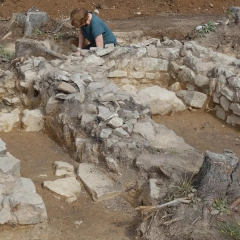
Published in the journal Antiquity, the research was led by archaeologists Emmanuel Nantet, Mathieu Giéme, and Michael Lazar. Their investigation uncovered clusters of sunken ships outside the official boundaries of the port at Port-Vendres in France. Similarly, underwater surveys in Caesarea, Israel, confirmed extensive external mooring areas beyond the well-known basin built by King Herod.
Techniques Behind the Discovery
The team employed ground-penetrating radar, sonar mapping of the seabed, and sediment core drilling to reconstruct the original depths of harbor waters. These data were then compared with the draft requirements of typical ancient merchant vessels. Key elements analyzed included:
- ancient mooring rings
- stone bollards
- historical docking diagrams
By referencing the practices of 19th-century Greek sailing fleets, the study showed that even small stone piers combined with accessible external waters could support large trade convoys. This underscores the strategic importance of these ports during antiquity.
The findings offer important new insights into the economic and commercial networks of the ancient Mediterranean. Discovering previously unrecognized mooring zones and larger ship capacities suggests a more complex port infrastructure than once assumed. This research not only reshapes our understanding of ancient maritime hubs but also paves the way for future archaeological explorations in the region.

Read also