Fish Nervous Systems Disrupted by Antidepressants at Concentrations Ten Times Lower than Those Affecting Humans

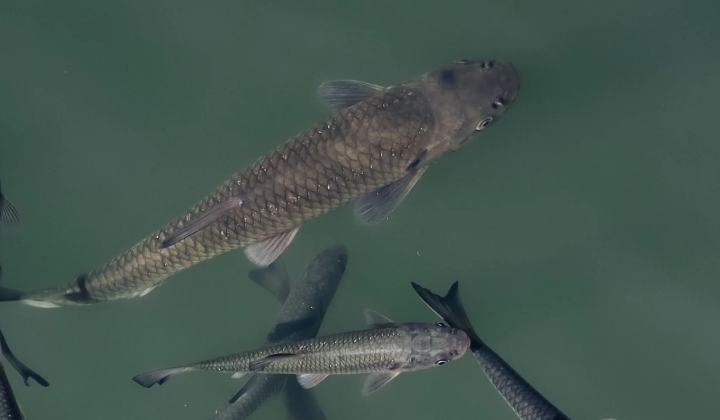
How Antidepressants Impact Aquatic Environments
According to НВ — Техно: Antidepressant compounds entering freshwater bodies through wastewater are impairing fish nervous systems at concentrations far below those that affect humans. A study led by Professor Shinichi Miyagawa of Tokyo University of Science and Professor Masaru Ihara from Kochi University revealed that serotonin transporters in fish are significantly more sensitive than their human counterparts. Alarmingly, the levels of these pharmaceuticals detected in natural waters match those known to disrupt fish biology.
Key Findings from the Research
The investigation focused on several common antidepressants-duloxetine, fluoxetine, citalopram, and paroxetine-which inhibited fish receptors at concentrations ranging from several hundred up to approximately 1300 nanograms per liter of water. Fish share neurotransmitters such as serotonin, dopamine, and noradrenaline with humans, indicating similarities in their nervous systems. Experiments with cloned transporter proteins from Japanese medaka and ayu species demonstrated that these fish proteins responded to antidepressants at doses tens of times lower than the threshold affecting humans.
The researchers emphasize the urgent challenge posed by pharmaceutical pollution in aquatic habitats. Some drugs showed no noticeable effect on humans but triggered significant responses in fish, highlighting the necessity for stricter regulation. The team calls for enhanced environmental standards to monitor and limit pharmaceutical residues in water sources, aiming to protect aquatic life and maintain ecological balance.
This study highlights the critical need for environmental oversight, as antidepressant concentrations found in water bodies could profoundly disrupt aquatic ecosystems. Given the neurological parallels between fish and humans, reducing pharmaceutical contamination is essential-not only to safeguard fish populations but also to preserve overall environmental health. Strengthening regulatory measures may represent a vital step toward improving water quality and conserving biodiversity.

Read also