No-Furniture Japanese Home: 5 Flooring Secrets for a Perfect Space

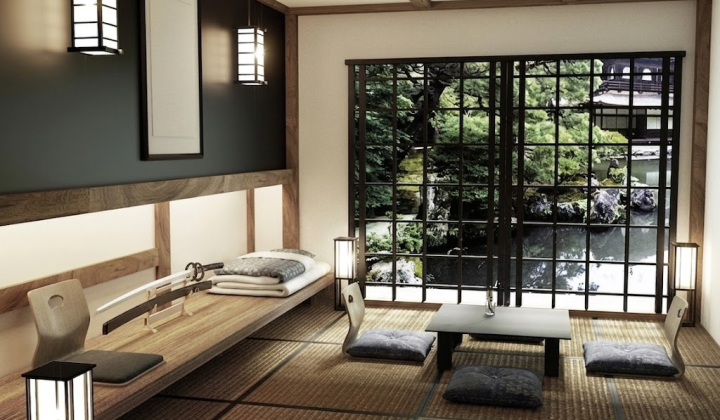
Core Principles of a Traditional Japanese Home
According to Radiotrek — Світ: In a traditional Japanese home, the floor is the central hub for relaxing, eating, sleeping, and entertaining guests. This article breaks down five key design principles that make these homes exceptionally functional, comfortable, and serene-offering insights that are increasingly relevant for modern interiors everywhere.
-
The Genkan (Entryway)
The first principle is a dedicated entry zone called the genkan, which sits lower than the main living area. This clever design traps dirt and moisture before they can enter the house.
“This level change works better than any doormat: dust, water, and grime simply don’t make it into the living spaces,” experts explain.
The result is a home that stays noticeably cleaner and more organized. -
Tatami Mat Materials
Second, traditional rooms use tatami mats made from natural materials. In Japan, room size is often measured by the number of tatami mats, highlighting the floor's central role in daily life.
“That’s why many Japanese homes have far fewer bulky pieces of furniture than European apartments,” specialists note.
This approach frees up space for rest and social interaction. -
The Bathroom
The third principle focuses on the bathroom. Japanese bathrooms feature high-quality waterproofing, fast drainage, and a non-slip, quick-drying floor surface.
“These rooms are designed with excellent waterproofing, rapid water drainage, and a non-slip coating that dries quickly,” experts state.
This emphasis on safety and comfort makes the bathroom a worry-free space. -
Nightingale Floors
The fourth principle comes from ancient Japanese palaces, which feature so-called "nightingale floors." These floors were one of the earliest security systems, as “it is nearly impossible to walk across these boards silently, so they always alerted residents to the presence of visitors or intruders.” This solution underscores the importance of safety in traditional Japanese living.
-
Cleanliness
The final, fifth principle is cleanliness. From a young age, Japanese children learn to clean their own schools, and at home, floors are regularly maintained with gentle, non-toxic cleaning agents.
“Cleanliness is not a rule, but a way of life,” experts say.
This shows that the Japanese view cleanliness as an essential part of their everyday routine, not an occasional chore.
These traditional Japanese home design principles are gaining popularity far beyond Japan, even in modern European interiors. Designers note that “specific Japanese solutions are increasingly used in contemporary European homes: a clean, shoe-free entry zone, minimalism, low furniture, and highly functional floors.” These elements are becoming hallmarks of comfortable, stylish modern living.
The principles of a traditional Japanese home reflect not just aesthetic choices, but deep cultural values that emphasize cleanliness, functionality, and safety. The growing appeal of Japanese design in Europe signals a desire for simpler living and a return to natural materials in interior design. Such solutions are becoming increasingly important in today's world, where comfort and space are taking on new meanings.

Read also