The $100 Bill's Portrait: Why a Founding Father, Not a President, Graces the Note

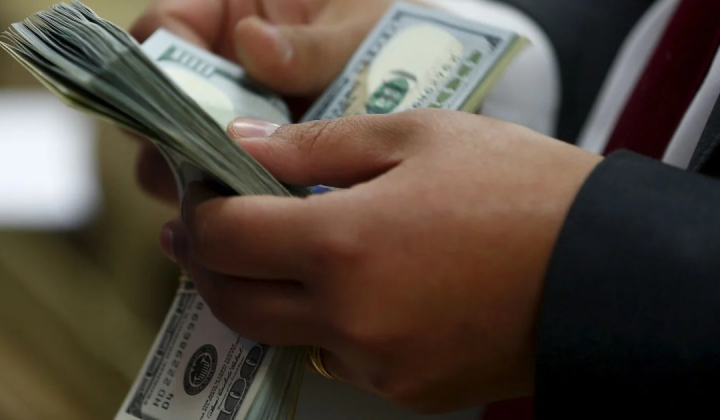
The $100 Bill: A Story of Design and Legacy
According to Radiotrek — Світ: A significant anniversary tied to the U.S. $100 bill falls on July 28, 2026. As one of the world's most recognized banknotes, its design-featuring Benjamin Franklin rather than a U.S. president-often prompts questions about the history and regulations behind it.
Franklin, a diplomat, inventor, scientist, and writer, was also a key author of the Declaration of Independence. He played a pivotal role in shaping America's financial system and pioneered anti-counterfeiting techniques for banknotes. The first $100 bills appeared in the 19th century, with portraits changing over time-including a brief appearance by Abraham Lincoln on earlier versions.
How the $100 Bill Evolved
Franklin's portrait first appeared on a Federal Reserve note in 1914 and has remained ever since. The note underwent design updates in 1929, 1996, and 2013. All issued $100 bills, regardless of year, remain legal tender.
- Franklin's portrait debuted on the $100 bill in 1914.
- Design revisions occurred in 1929, 1996, and 2013.
- U.S. law prohibits the depiction of living individuals on currency.
Proposals have emerged over the years to replace Franklin’s image-including one suggesting Donald Trump-but none gained traction. The existing legal ban on living people ensures that only historical figures appear, underscoring the importance of tradition in currency design.
'The $100 bill, with Franklin's portrait, has become a symbol not just of money but of American values.'
Thus, the $100 bill remains a cornerstone of the U.S. financial system. Debates over currency design-especially which notable figures are featured-continue to reflect cultural and historical priorities. This anniversary may spark further discussion about the future of American banknote imagery and its role in shaping national identity.
As discussions about the significance of Franklin’s image continue, it's worth noting a recent historical moment when a sitting president's signature was included on the $100 bill for the first time. This event not only underscores the evolving nature of U.S. currency but also raises questions about how such changes reflect contemporary values. To explore this unprecedented development, check out more about Trump's unique addition to American currency.

Read also