Archaeologists in Iran Discover a New Type of Board Game Dating Back 4600 Years

Discovery of a New Type of Board Game
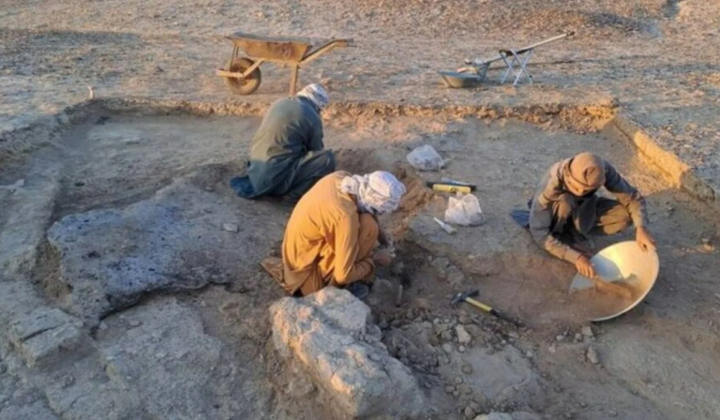
According to НВ — Техно: During the 21st season of excavations at Shahr-e Sukhteh, a Bronze Age settlement in southeastern Iran, archaeologists discovered a new type of board game dating back approximately 4600 years. This discovery is the result of extensive work by a team led by Ruhollah Shirazi. Alongside the gaming object, a bone comb, traces of textiles, leather, eggs, and new burial forms were also found. However, the detailed rules of the new game have yet to be published, leaving many questions about its function and gameplay.
Shahr-e Sukhteh is an archaeological site that has been designated as a UNESCO World Heritage Site. The name of this settlement translates to 'Burnt City'. It is known that in 1977, another ancient gaming set was found at this same site in grave 731, consisting of a wooden game board, 27 pieces, and gaming dice. This gaming set dates back approximately 2600–2400 BC, and its design was compared to the Royal Game of Ur from Mesopotamia. Researchers Sem Jelveh and Hossein Moradi proposed a reconstruction of the game from grave 731 based on the tradition of 'The Game of Twenty', but the original rules remain unknown.
Research and Findings
During the excavations, undocumented burial forms and various categories of pottery were also found, including plain, decorated, and polychrome pottery. Organic materials preserved due to the arid environment of Shahr-e Sukhteh include traces of eggs, textiles, and leather. Research is conducted using interdisciplinary methods such as:
- radiocarbon analysis
- ancient DNA studies
- physical anthropology
Shahr-e Sukhteh belonged to the Helmand civilization in the Sistan basin, and at its peak, the city had over 100 contemporary settlements. Considering the geography of contacts, Shahr-e Sukhteh had connections with Central Asia, the Indus Valley, the Persian Gulf, Oman, and southwestern Iran. These discoveries highlight the importance of Shahr-e Sukhteh as a center of ancient culture and trade.
This discovery of a new type of board game in Shahr-e Sukhteh not only enriches knowledge about the cultural heritage of the Bronze Age but also underscores the significance of this settlement in the history of humanity. Through archaeological excavations, we can better understand the social and cultural aspects of life among the ancient inhabitants, who may have used games for entertainment, education, or rituals. Further research may shed light on the rules of the new game and its possible connections to other well-known board games of the ancient world.

Read also