5500-Year-Old Neolithic Baalberge Burial Monument Unearthed Near Leipzig

Significant Archaeological Discoveries in Saxony
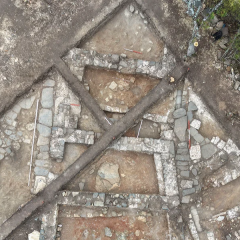
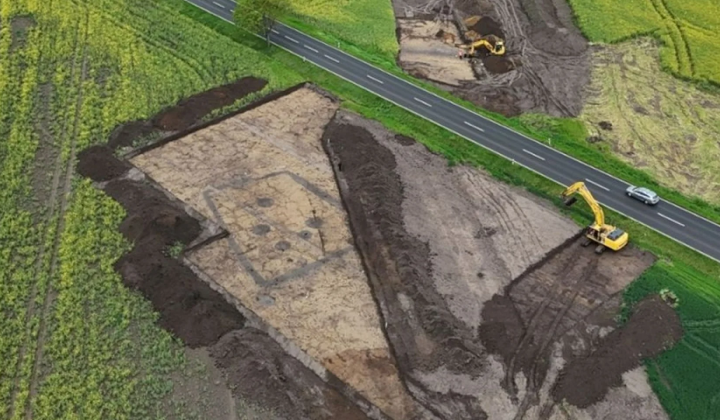
According to НВ — Техно: In the German state of Saxony, archaeologists have uncovered a 5500-year-old trapezoidal burial monument belonging to the Baalberge culture close to Delitzsch, within the Leipzig district. This remarkable find emerged during preparatory work for a heating supply and hydrogen pipeline project. Dating back to between 3800 and 3400 BCE, the monument measures approximately 20 by 25 meters.
Excavations Reveal Ancient Burial Practices
Excavations undertaken in July 2026 exposed seven circular pits within the site. One of these contained human remains positioned in a flexed posture, with the head oriented southward and the face turned west. No grave goods accompanied the burial, but two smaller pits nearby contained pottery fragments. Larger pits showed no artifacts. Such monumental tombs were typically constructed around one or two burials. The Baalberge culture flourished during the 4th millennium BCE, marking a significant era in Central European prehistory.
Earlier in March 2026, near the Main River in Aschaffenburg, a well-preserved Iron Age structure made from massive oak beams was discovered. The Bavarian State Office for Monument Protection (BLfD) dated these timbers to between 372 and 352 BCE. This find is considered exceptionally rare in terms of age, construction, and preservation, standing out not only in Bavaria but across Germany.
Several similar trapezoidal burial monuments have been found recently in the Leipzig area, including sites at Alttranstedt, Zwenkau, and Kiritzsch. These excavations provide crucial insights into Neolithic communities in Central Germany and their funerary customs. Collectively, such discoveries continue to deepen our understanding of the region’s ancient history and the cultures that thrived millennia ago.
The unearthing of this Baalberge culture monument highlights the vital role of archaeology in preserving historical heritage. These findings not only help reconstruct ancient civilizations but also offer valuable perspectives on their social structures and rituals. Furthermore, discoveries like this can foster public interest in history and archaeology, which is essential for safeguarding cultural legacy.

Read also