Arctic Permafrost Melts Four Times Faster Than Global Average, Releasing Methane and Threatening Infrastructure

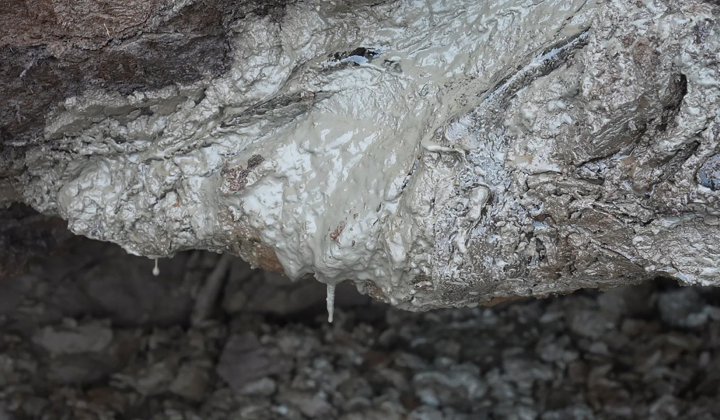
Accelerating Thaw of Arctic Permafrost
According to НВ — Техно: The thawing of Arctic permafrost, particularly along Alaska’s coastline, is triggering severe environmental challenges with the potential to cause irreversible climate impacts. Arctic soils store three times more carbon than Earth's entire atmosphere, while temperatures in the region are rising at four times the global rate. This rapid warming leads to the decomposition of organic plant and animal matter, releasing significant amounts of methane and carbon dioxide into the atmosphere. Scientists record new temperature highs every year, and according to Ted Schuur,
“it is no longer possible to stop the release of gases from the soil.”
Future Projections and Risks
Current United Nations forecasts do not account for the additional greenhouse gas emissions from permafrost thaw, potentially underestimating future temperature increases of 2.6 degrees Celsius. By the end of this century, emissions from melting permafrost alone could add approximately 0.25 degrees Celsius to global warming-equivalent to the combined industrial emissions of the United States or the entire European continent. Beyond climate concerns, the degradation of permafrost poses direct threats to infrastructure. Vladimir Romanovsky emphasizes that
“the loss of permafrost endangers not only the climate but also physically damages infrastructure.”
In northern Alaska, ground collapses as deep as three meters have already been observed, and satellites have detected over 40,000 craters across the polar region. Gustav Gugelius describes permafrost as a “sleeping giant,” whose thaw could unleash catastrophic consequences. The only natural way to restore permafrost would be during a new ice age, highlighting the urgency of the situation.
The U.S. Army’s scientific tunnel in Fairbanks, featuring icy walls embedded with mammoth and bison bones, serves as a reminder that carbon accumulation in soil took tens of thousands of years. However, current climate change is occurring at a vastly accelerated pace, raising alarm among scientists. The thawing of Arctic permafrost represents one of the most critical tipping points in the progression of global warming.
Addressing the rapid melting of permafrost is an urgent global priority. Methane and carbon dioxide emissions from thawing soils could dramatically speed up climate change, making it essential for countries worldwide to intensify efforts to reduce emissions and adapt to evolving environmental conditions. Studying the impacts of permafrost loss can also inform strategies to mitigate damage to infrastructure and support communities affected by these transformations.
As the Arctic permafrost continues to thaw, it not only releases significant greenhouse gases but also exposes toxic metals into the region's waterways. This alarming phenomenon is contributing to the changing chemistry of Alaska’s rivers, leading to concerns about environmental and public health. To understand the broader implications of this issue, read more about how toxic metals are affecting Arctic rivers.

Read also