Toxic Metals Released by Thawing Permafrost Turning Alaska’s Arctic Rivers Rusty

Climate Crisis Impact
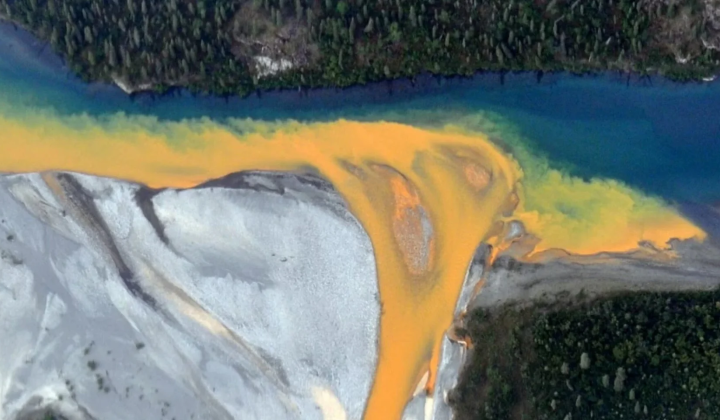
According to НВ — Техно: Arctic rivers in Alaska are experiencing widespread rust-colored discoloration caused by thawing permafrost. This phenomenon was first observed in 2018, when orange streaks appeared in northern rivers for the first time. Scientific investigations in the remote Brooks Range region, accessible only by helicopter, have confirmed that the rusty deposits result from melting permafrost.
As the permanently frozen ground thaws, water interacts with underlying bedrock minerals, releasing harmful metals, including:
- iron
- aluminum
- manganese
- zinc
- nickel
- cadmium
- rare earth elements
Between 2022 and 2024, researchers collected water samples from six different watersheds. The Salmon River showed metal concentrations up to 70 times higher than normal levels, even nearly 100 kilometers downstream from the source.
The massive release of these toxic metals is linked to Alaska’s record-breaking hot summer of 2019, followed by an unusually snowy winter that prevented the soil from refreezing. Similar effects have been documented before in Canada and other parts of the world. These contaminants are damaging local vegetation and causing declines in fish populations such as salmon and whitefish. This poses a significant threat to Indigenous Arctic communities that rely on these waterways for sustenance. So far, no severe damage has been recorded in the Brooks Range area.
Urgent Need for Continued Research
Scientists emphasize that this issue requires ongoing study. John O'Donnell, a commentator on the matter, noted:
“These rusty patches are becoming increasingly common, with some water bodies resembling orange juice in appearance.”
Brett Poulin added:
“The orange discoloration looks strikingly similar to acidic drainage from mining operations, yet there are no mines nearby.”
These observations highlight the severity of the environmental challenges facing Arctic ecosystems.
This situation exemplifies the tangible effects of climate change on the fragile Arctic environment. Rising temperatures and altered precipitation patterns are accelerating permafrost thaw, triggering serious ecological consequences. Elevated toxic metal levels in rivers threaten not only natural habitats but also the health of local populations depending on these water sources. Given these findings, the importance of environmental monitoring and protective measures for Arctic ecosystems is more critical than ever.
The environmental impact of human activities is becoming increasingly concerning. For instance, the alarming discovery of over 3,300 barrels of radioactive waste on the ocean floor highlights the urgent need for vigilance in protecting our waterways. Such incidents underscore the broader implications of pollution on ecosystems and communities alike. To learn more about this critical issue, read about the recent findings on radioactive waste in the Atlantic.

Read also