Drone Strikes Hit Three Airfields and Four Districts in Occupied Crimea


Overnight Drone Attacks Target Occupied Crimea
According to Главком: On the night of April 28, occupied Crimea came under a drone assault. Explosions were reported in the Kirovske, Lenine, Sovietskyi, and Dzhankoi districts, as well as in the cities of Sevastopol and Feodosia. Preliminary reports indicate that the strikes targeted the military airfields of Saky, Kacha, and Belbek. Local residents described hearing drones flying overhead and the activation of air defense systems near the airbases.
Occupying forces deployed machine guns and Pantsir missile systems, while also scrambling fighter jets. A series of powerful blasts continued for several hours, with drone engine noises, gunfire, and flashes visible across different parts of Sevastopol.
Regional Situation Remains Tense
These attacks are not isolated incidents: on the night of April 26, Sevastopol was also hit by drone strikes, and on April 23, a series of explosions occurred in Sevastopol, the Bakhchysarai district, and Feodosia in occupied Crimea. The April 23 blasts were heard near the Kacha and Belbek airfields, where missile launches and air defense activity were also recorded. This ongoing pattern underscores the heightened tensions in the region, as the impact of drone attacks continues to affect the local population.
The repeated drone strikes on occupied Crimea signal escalating hostilities, likely reflecting shifts in military strategy. These events highlight an intensification of combat operations that threaten both military personnel and civilians. With attacks becoming more frequent, the local population faces growing psychological strain and fears for their safety amid the persistent threat of military action.
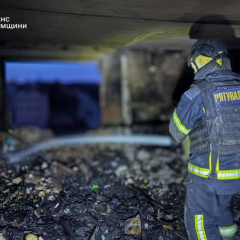
The recent drone strikes in Crimea have not only targeted military airfields but have also led to significant collateral damage, as seen in the destruction reported at oil depots in Feodosia. This escalation in hostilities raises concerns about the broader implications for regional security and the safety of civilians, making it crucial to stay informed about the evolving situation.

Read also