Massive Fire Erupts at Moscow's Largest Oil Refinery Following Drone Strike

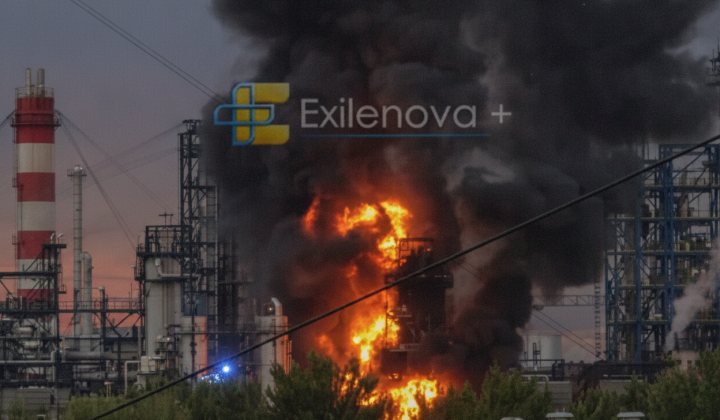
Strike on the Moscow Oil Refinery
According to Главком: On June 16, 2026, a drone assault targeted the Moscow Oil Refinery in the Kapotnya district, triggering a large-scale blaze. As the capital's biggest refinery, it supplies roughly 35% of Moscow's fuel market. The attack prompted temporary flight restrictions at Moscow airports. Mayor Sergey Sobyanin claimed air defense systems intercepted over 30 drones.
Fallout from the Attack
The strike has severely impacted urban infrastructure. This facility covers up to 40% of Moscow's gasoline demand, with every third car in the capital relying on its fuel. It also meets about 50% of the city's diesel needs and serves as the primary source of bitumen used to construct or repair half of Moscow's streets. Consequently, the attack could cause major fuel shortages and infrastructure disruptions across the city.
This incident is not an isolated event. On May 17, 2026, the refinery was hit previously, injuring 12 construction workers and forcing a temporary halt to oil processing. Even earlier, on September 1, 2024, a fifth-level complexity fire broke out at the plant after a strike on the Euro+ unit, cutting its capacity in half. These events highlight the vulnerability of Moscow's critical infrastructure and its direct effect on daily life for residents.
The assault on the Moscow Oil Refinery underscores not only a threat to the city's energy security but also potential economic repercussions for the capital.
Restoring operations may take considerable time, impacting fuel supply and creating additional strain on transportation networks. In light of recent developments, protecting key infrastructure has become increasingly urgent, as similar attacks could destabilize the entire region.
The recent drone strike on the Moscow Oil Refinery is reminiscent of another serious incident, where a similar attack targeted the Syzran oil facility, resulting in fatalities and injuries. This pattern of assaults raises concerns about the security of vital energy infrastructure across Russia, highlighting the need for enhanced protective measures to prevent further disruptions.

Read also