Europe and Ukraine Embrace Solar, Wind, and Heat Pump Heating Solutions for Homes

Renewable Energy-Based Heating Technologies
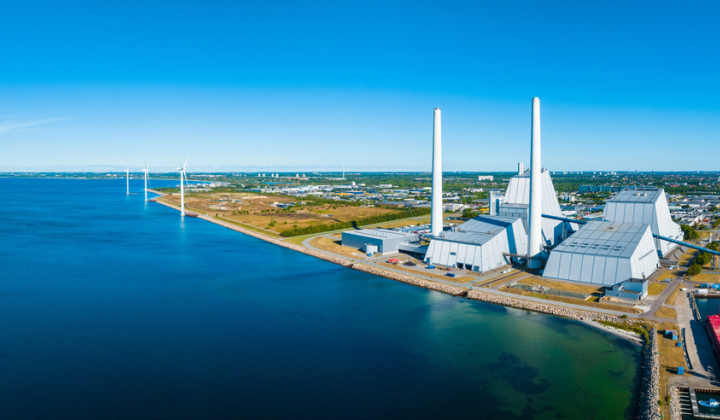
According to Radiotrek — Світ: Across Europe and Ukraine, innovative heating systems powered by solar energy, wind, and heat pumps are gaining momentum. These solutions optimize the use of renewable energy sources, significantly reducing reliance on conventional fuels. More than 280 cities and towns in Europe, including in Denmark, Germany, Austria, and Sweden, have integrated solar thermal energy into their centralized heating networks.
Solar collectors absorb heat and transfer it to a storage tank or heating system, where the warmth is preserved in large insulated accumulators. For example, in Silkeborg, Denmark, a solar thermal plant spans approximately 157,000 square meters with a capacity of 110 MW, supplying heat for the city’s centralized heating.
“One of the most notable cases is Silkeborg, where a solar thermal facility covering about 157,000 square meters generates 110 MW of power, directly used for district heating,” experts explain.
Austria also showcases similar projects. Graz hosts a solar thermal installation with over 8,000 square meters of collectors that provide hot water to around 8,000 residents. The BIG Solar Graz initiative aims to develop a solar field up to 500,000 square meters, incorporating seasonal heat storage and heat pumps.
“What may seem like an exotic technology for private homes is already implemented at the city heating level in Austria,” specialists emphasize.
In Ukraine, solar collectors, heat accumulators, heat pumps, and wind turbines are commercially available and being installed. One example is a private home of about 205 square meters in the Lviv region equipped with a system combining a heat pump and solar collectors.
“There are concrete cases of installations, such as a 205-square-meter house in Lviv region fitted with a heat pump and solar collectors,” experts note.
Wind turbines convert wind energy into electricity, powering pumps, electric heaters, and other equipment. However, their effectiveness depends on consistent wind conditions.
“A wind turbine only makes sense in locations with stable wind; simply installing a small turbine near a house does not guarantee affordable heating,” experts warn.
A 2024 German study explored a hybrid heating system combining solar, wind, and geothermal heat pumps, modeled for homes in Hamburg and the island of Sylt. Practical systems often integrate solar collectors, heat storage tanks, solar panels or wind turbines, and heat pumps.
“This combination helps reduce consumption of gas, firewood, or electricity, though it does not completely eliminate the need for them,” experts clarify.
Before installation, factors like a home's heat loss, insulation, roof size, solar collector orientation, and local wind patterns must be carefully evaluated.
“The most realistic approach for a private residence isn’t to immediately abandon gas or solid fuel boilers but to lighten their load by harnessing free solar, wind, and heat pump energy,” specialists conclude.
Future Outlook for Renewable Heating Innovations
Renewable heating technologies continue to expand in Ukraine and Europe, offering pathways to reduce dependence on traditional fuels and lower carbon emissions. Adopting these systems represents a crucial step toward combating climate change and achieving energy independence. Given current energy challenges, such innovations are expected to play a vital role in building sustainable and environmentally responsible energy infrastructures.
As Europe and Ukraine increasingly adopt renewable heating technologies, it's worth exploring how other countries, such as Norway, are effectively managing their energy needs. By implementing innovative solutions, Norwegian homes not only maintain warmth but also significantly reduce energy expenses. Discover more about their efficient heating strategies and how they might inspire similar approaches in your region by reading our article on efficient home heating in Norway.

Read also