No Human Assistance Needed: Ladder Climb Completed by Figure 03 Robot

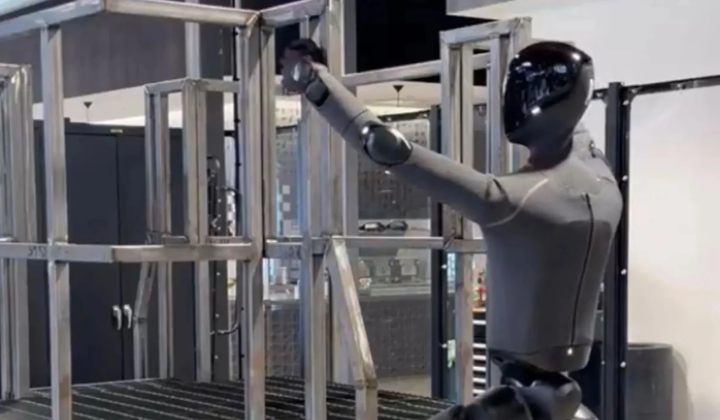
Figure 03 Robot Scales a Ladder Solo
According to НВ — Техно: On August 4 at 12:00, U.S.-based Figure published a video of its humanoid robot, Figure 03, climbing a ladder entirely by itself-no visible human help was involved. The achievement came thanks to a revamped artificial intelligence system that enables the machine to carry out the task autonomously. Founder Brett Adcock shared the clip on X, saying the robot went up the ladder without remote control or operator input. This demonstration adds to the growing sense that humanoid machines are edging closer to real-world independence.
Technical Background
The technology outlet Interesting Engineering also covered the event, noting that Figure has not released technical specifics about the system and that no outside verification of the demonstration was conducted. According to the company, the updated Helix S0 AI model now works with data from stereo cameras, which generate a 3D view of the surroundings. In the past, the robot mainly relied on its own body-position information. The new model, however, was trained in simulated environments using reinforcement learning on many different surface types. Figure says the skills it gained were transferred to real robots without any further adjustment, suggesting the system is pushing humanoids closer to fully autonomous work in everyday settings.
Several artificial-intelligence researchers described the result as meaningful progress in humanoid robotics, especially given that ladder climbing is among the hardest tasks for these machines. The event highlights how advances in AI and robotics are making autonomous systems increasingly capable of complex physical jobs. Such progress could have wide-ranging effects, from industry to home applications, where robots might improve efficiency and lower risks for people. Still, without independent validation, questions remain about how dependable these results are, and further research and testing will be necessary.
This achievement is part of a broader trend in robotics, as seen in another recent development where the KAIST HOUND robot demonstrated its ability to navigate obstacles autonomously. Such advancements highlight the rapid evolution of robotic capabilities, suggesting a future where machines can perform increasingly complex tasks without human intervention.

Read also