Six Shipwrecks Discovered Off the Bahamas, Including Three Linked to Pirates

Shipwreck Discovery Near Nassau
According to НВ — Техно: At 5:00 PM on June 8, a team of marine archaeologists and filmmakers uncovered six sunken vessels off the coast of Nassau, the capital of the Bahamas. Three of these wrecks are directly tied to pirates from the "Golden Age of Piracy," which lasted from the 1680s to the 1720s. This find marks a major step forward in understanding the region's pirate history.
Expedition Details
The first ship was located in Nassau Harbor. Archaeologists found a large amount of ballast stones on the wreckage, offering clues about its build and purpose. Evidence suggests this vessel was constructed in the early 1700s.
The second ship, discovered 35 kilometers east of the capital, is an 18th-century single-masted sloop. Onboard, a wealth of artifacts was recovered, including:
- a large deck cannon
- an iron swivel gun
- three cannonballs
- 25 lead musket balls
- a sharpening stone for swords
The third vessel was found beneath Nassau’s old bridge, in an area known for dangerous currents and shark activity. Researchers identified the remains of a 300-year-old galley. Preserved aboard were glass wine bottles and bricks from the ship’s galley. Additionally, clay smoking pipes were discovered on this third galley, stamped with a British coat of arms and crafted in London between 1740 and 1750.
Full details of the expedition will be featured in a documentary miniseries and in Wreckwatch magazine. These discoveries not only add new layers to the story of piracy but also open fresh avenues for marine archaeology in a region where Nassau served as a headquarters for notorious pirates like Blackbeard and Calico Jack.
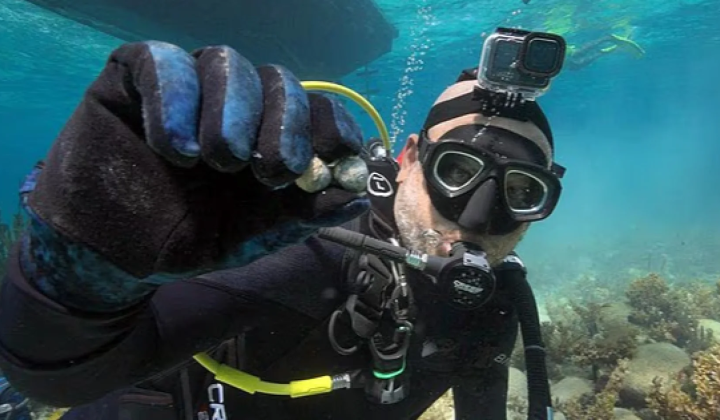
A lead musket ball found on one of the ships stands as a vivid example of how archaeological research can illuminate the secrets of the past.
The uncovering of these shipwrecks near Nassau highlights the Bahamas’ importance as a key area during the pirate era. These findings could lay the groundwork for further studies, helping to deepen our understanding of both pirate culture and broader maritime traditions of the time. With growing interest in underwater archaeology, these expeditions may also boost tourism and support the preservation of the region’s historical heritage.

Read also