Tiny Mammoth-Bone Bird Carvings from the Ice Age: Smallest Known Sculptures Found in German Cave

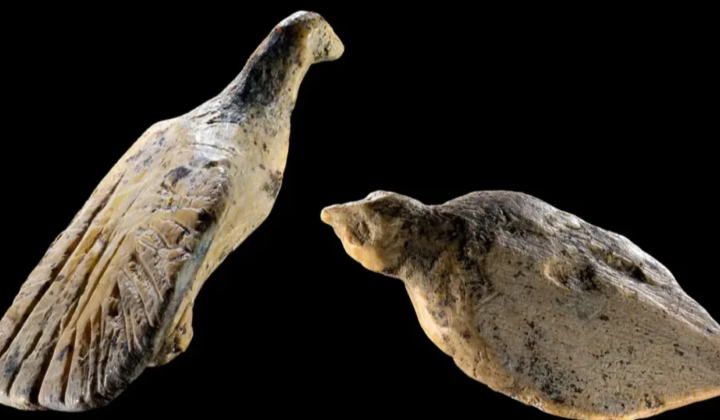
Hohle Fels Cave Discovery: Archaeologists Uncover Miniature Birds
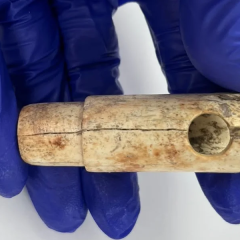
According to НВ — Техно: In southwestern Germany’s Hohle Fels cave-a UNESCO World Heritage site-researchers from the University of Tübingen have unearthed two tiny bird figurines carved from mammoth bone approximately 40,000 years ago. These artifacts come from deep Aurignacian layers and are the smallest Ice Age artworks ever found in the Swabian Jura region. One figurine depicts a bird at rest, possibly sitting on a nest, while the other shows a bird with its wings fully spread. The two pieces were discovered about 1.5 meters apart.
Figurine Features and Details
The spread-wing bird measures 2 cm long, 1 cm wide, and 0.5 cm high, weighing around 1.3 grams. The resting bird weighs just 0.7 grams and has distinct round eyes. The winged figure features a clearly defined beak and parallel incisions on the wings that suggest feathers. While the species of birds have not been identified, possibilities include partridge, capercaillie, or related game birds and raptors. In total, three bird sculptures have now been found in Hohle Fels cave; a water bird carved from mammoth bone was discovered there about 25 years ago. Other major Ice Age sites in this UNESCO zone contain carvings of mammoths, cave lions, and wild horses, but none of birds.
Separately, in the summer of 2026, researchers uncovered a cave in eastern Turkey with over a hundred anthropomorphic and zoomorphic figures dating to the Neolithic period. This art appears to have been used over hundreds or thousands of years. Commenting on the latest finds, Nicholas Conard called them
“find of the year”
.
The discovery of these miniature bird figurines underscores Hohle Fels cave’s importance as an archaeological site preserving early human art and cultural activity from the Upper Paleolithic. It offers deeper insight into the aesthetic and symbolic thinking of ancient people and their engagement with the natural world. Similarly, the Turkish cave findings point to long-standing artistic traditions, suggesting shared cultural practices across different regions over millennia.
The significance of ancient figurines extends beyond the Ice Age, as evidenced by a recent discovery in the Czech Republic. Archaeologists have unearthed a remarkable miniature Celtic duck sculpture over 2,000 years old. This find highlights the continuous tradition of artistic expression across different eras, further enriching our understanding of early human creativity.

Read also