Forest Closures Near Ukraine Border Signal Military Concerns in Belarus

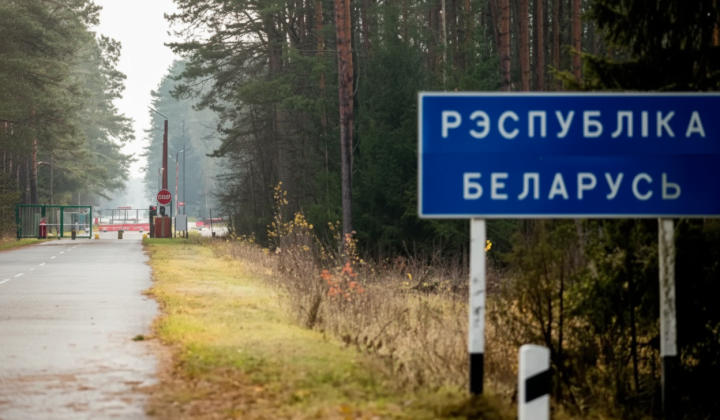
Restrictions on Forest Access Across Belarus
According to Главком: Belarusian authorities have imposed restrictions on entering forests in 19 districts across the country, with the majority located near the borders with Ukraine, Poland, and Lithuania. Officially, these measures are justified by fire prevention protocols and seasonal limitations. However, Viktor Yahun, a retired major general of the SBU and former deputy head of the Security Service of Ukraine, argues that the pattern of closed areas-especially their heavy concentration along the frontier-suggests a military-political dimension cannot be ignored.
Potential Military Axes of Concern
Yahun identified two potential military axes linked to these restrictions:
- The Ukrainian Axis: This covers the southern and southwestern parts of the Brest region, which border Ukraine’s Volyn and Rivne oblasts. He noted there are risks of threats emerging on the Volyn axis, particularly around Kovel and Lutsk. The strategic importance of the Sarny-Rivne-Varash area is tied to its railway infrastructure and the location of the Rivne Nuclear Power Plant.
“This particular stretch is critical for Ukrainian logistics, as a significant portion of transport and railway routes supplying Western military aid passes through Volyn,” Viktor Yahun stated.
- The Western Axis: This is connected to the Suwałki Gap, a narrow strip of land between Belarus and Russia’s Kaliningrad Oblast that links the Baltic states with the rest of NATO territory. Yahun emphasized that this corridor “has long been considered one of the most vulnerable points in the alliance’s security system.” He also noted that such actions could theoretically create conditions for covert force deployments near the Polish and Lithuanian borders, deliberately fostering an atmosphere of persistent military threat along the northern flank without necessarily moving toward immediate active operations.
A key factor is the military exercises launched by the Belarusian Armed Forces on May 18. These drills are linked to the deployment of Russian tactical nuclear weapons and are conducted in cooperation with the Russian military leadership. Yahun observed that these actions could facilitate the covert movement of troops, the establishment of field logistics, the creation of temporary ammunition and fuel depots, as well as the setup of command posts and engineering positions. The expert also raised concerns about the risk of information leaks through photo and video documentation of equipment and personnel movements.
Overall, the forest access restrictions in Belarus’s border regions raise alarms, as they may be tied to military preparations that demand close attention from neighboring states.
The forest entry bans in Belarus-especially along frontier zones-could indicate possible military build-ups by Belarusian and Russian forces. These steps require careful monitoring by neighboring countries, as they may affect the regional security landscape, particularly amid heightened tensions between NATO and Russia. Tracking further developments is crucial, as they could impact strategic stability in Eastern Europe.
The recent restrictions on forest access in Belarus raise eyebrows, especially in light of Ukraine's ongoing efforts to bolster its defenses. As tensions mount, Ukraine is transforming Polissia into a fortified area, aiming to counter potential threats from its neighbor. This strategic move highlights the escalating military concerns in the region and the necessity for heightened vigilance.

Read also