Builders in Alicante stumbled upon a 2200-year-old Iberian necropolis

Discovery of the Iberian Necropolis in Alicante
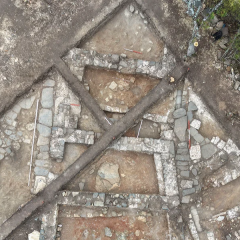
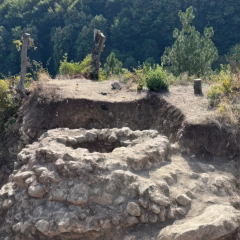
According to НВ — Техно: In Alicante, Spain, during construction works, an Iberian necropolis dating back approximately 2200 years was discovered, containing four tombs. These burials belong to the last third of the 3rd century BC and, according to preliminary data, may be linked to an Iberian military family. Two ritual areas have also been documented on the necropolis site.
Among the artifacts found were complete sets of weapons, including:
- falx
- knives
- spear
- shields
- horse bridles
- spurs
- several types of spears
In two tombs, researchers found sets of bronze scales, and in one of them, standardized weights were discovered. A ritual censer in the shape of a female head was also found, preliminarily identified as Tanit, a deity of Phoenician origin and one of the principal goddesses of Carthage.
Significance of the Discovery for History
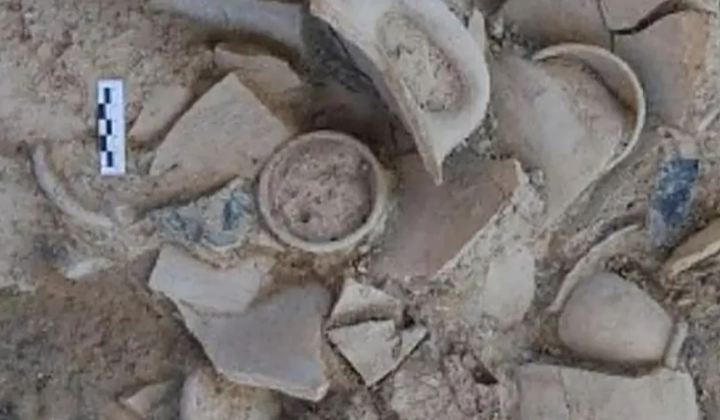
Additionally, among the burial items, a chariot wheel and a fragment of an Iberian stone sculpture, identified as a carved deer hoof, were found. About 30 small vessels, likely used during a collective funeral banquet, were also discovered. The necropolis is located approximately 300 meters northeast of the main cemetery of La Albufereta.
Researchers link this necropolis to the nearby settlement of Tossal de Manises, and later a Roman city named Lucentum was established at this site. It is known that the first major fortified settlement in this region was founded by the Carthaginians in the last third of the 3rd century BC, which was part of their expansion into Iberia before the Second Punic War. Previous reports mentioned the discovery of a 2500-year-old bronze chariot in Casas del Turunielo, an ancient Tartessian settlement that existed in the south and southwest of the Iberian Peninsula from about the 8th to the 4th century BC.
'The discovery of this necropolis is significant for the study of Iberian culture and its relationships with the Carthaginians.'
The findings, particularly military artifacts, attest to the military organization and rituals that took place in this region in ancient times. Researching such archaeological sites allows for a better understanding of the social structure and religious practices of the ancient peoples of Iberia.

Read also