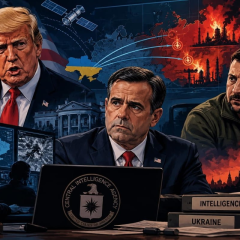
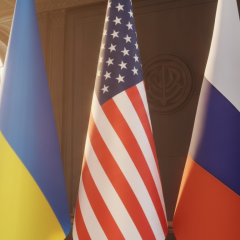
The Middle East on the Brink: Analyzing the Moves of the U.S., Iran, and Russia

The Middle East Situation
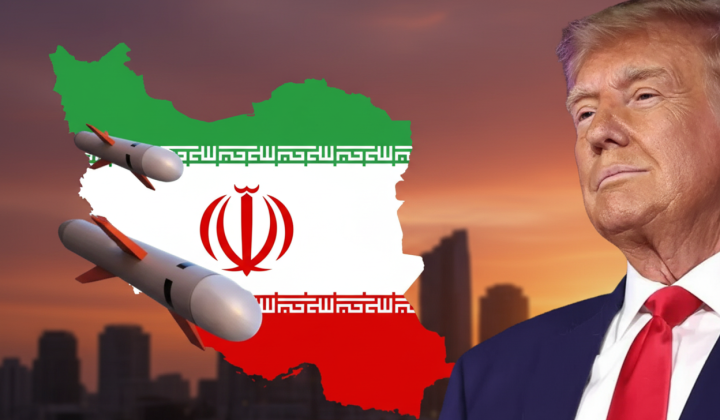
According to Главком: Tensions in the Middle East are escalating, fueled by the potential for military action involving Iran, the United States, and Russia. International observers are alarmed by Iran's strikes on the oil and gas infrastructure of neighboring states. Meanwhile, the U.S. administration under Donald Trump has shown no readiness to announce preparations for a large-scale ground operation in the region, indicating a degree of military restraint.
For its part, Russia appears intent on prolonging the conflict, a strategy that could significantly hinder the negotiation process. Analysts predict that substantive talks are unlikely to begin before late April or early May. This timeline suggests the conflict will persist for some time before the parties seriously explore avenues for a peaceful settlement. The region's instability has global implications due to its critical role as an energy supplier and strategic crossroads.
The Anatomy of Revolution
Experts suggest that to understand the conflict's dynamics, one can apply a framework outlining the essential components of any revolution, which includes:
- A leader,
- An idea (ideology),
- An organizational structure,
- Timing,
- Funding,
- International support (or tacit consent),
- The presence of influential collaborators within the opposing power structure.
This framework can serve as a useful tool for analyzing events in the Middle East and anticipating the next moves of all parties involved.
Consequently, the situation in the region remains volatile, demanding close observation from the international community. The conflict's trajectory and the stances of key players-Iran, the U.S., and Russia-could profoundly impact stability both in the Middle East and globally. The primary tasks for international bodies remain finding paths to de-escalation and facilitating a genuine dialogue between the opposing sides.
As the situation in the Middle East intensifies, the ripple effects extend beyond regional borders, notably impacting global security dynamics. The ongoing conflict raises concerns about the potential disruption of weapon supplies to Ukraine, highlighting how interconnected these geopolitical crises have become. Observers must remain vigilant as the implications of these developments unfold.

Read also