Boris Johnson Critiques US Reversal on Russian Diesel Sanctions, Threats to Ukraine, and Rising Fuel Costs

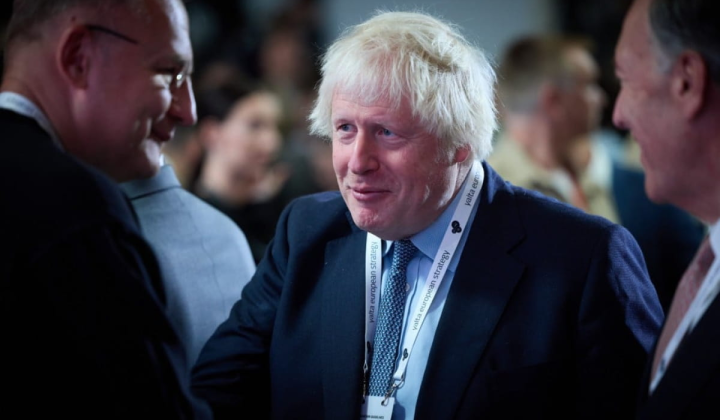
Boris Johnson Weighs In on Trump’s Decision to Lift Sanctions on Russian Diesel
According to 5 канал: Former UK Prime Minister Boris Johnson has voiced strong criticism of Donald Trump’s choice to revoke sanctions targeting Russian diesel fuel. Johnson linked this move to the surge in fuel prices triggered by the blockade of the Strait of Hormuz. He condemned the decision as disgusting and dismissed accusations blaming Ukraine for the fuel price hike, insisting the blockade is the real cause.
Johnson further claimed that the White House is determined to force American drivers into effectively funding what he called 'Putin’s war.'
“This approach won’t work, and I doubt it will have a meaningful effect on fuel costs,” he said.
He stressed the urgent need to end the war in Ukraine and emphasized that Russian oil and gas should only return to global markets if Ukraine remains free, sovereign, and independent.
Ongoing Violence Against Ukrainian Civilians
Johnson also highlighted the daily killing of innocent Ukrainian civilians by Russian President Vladimir Putin’s forces. He revealed that during talks between Trump’s special envoys-Steve Witkoff and Jared Kushner-and Ukrainian officials, the US representatives allegedly threatened to cut Ukraine off from American intelligence if their demands were not met.
The situation surrounding Russian diesel fuel and its impact on Ukraine remains highly volatile. Johnson’s remarks underscore the complex geopolitical dynamics influencing fuel prices and regional security. The repeal of sanctions carries significant risks for global energy stability and Ukraine’s standing amid the conflict with Russia. Monitoring this evolving issue is crucial, as it could profoundly affect Ukraine’s economy and broader international relations.
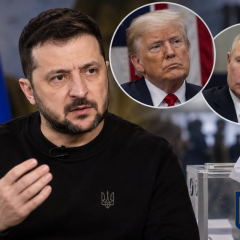
As the geopolitical landscape shifts, the recent agreement between Trump and Putin regarding diesel fuel supplies adds another layer of complexity. This development highlights the intricate connections between energy policies and international relations, particularly in the context of rising tensions in Ukraine and the implications for global fuel markets.

Read also