Ukraine’s Greatest Weapon Against Russia, According to a British Analyst

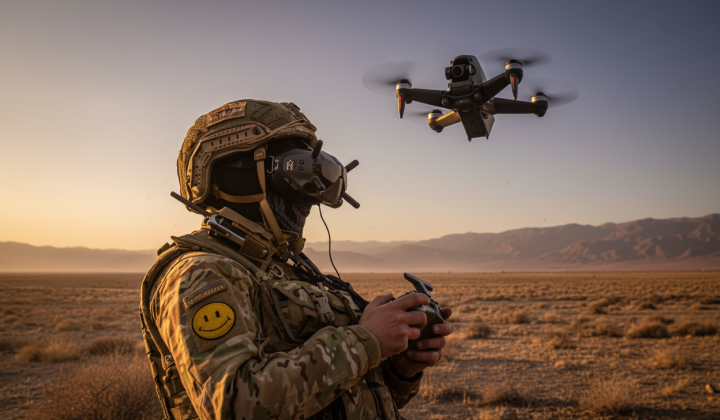
How Ukraine Is Redefining Modern Warfare
According to Главком: In an interview with Glavcom, British analyst James Sherr examined Ukraine’s wartime strategy against Russia. He identified innovation and a vibrant civil society as the country’s main advantages. According to Sherr, Ukraine’s experience with technology has proven valuable to Western allies, particularly in the context of the Persian Gulf conflict. He stressed that Ukraine should not try to outmatch Russia in conventional military tactics, as it lacks the manpower for such a war. Instead, he argued, Ukraine can rely on its strengths, including a bottom-up culture of initiative.
James Sherr serves as a senior fellow at the Estonian Foreign Policy Institute’s Security and Defense Institute. In his analysis, he also noted that before the full-scale invasion, he had predicted that Putin would not be deterred by any potential losses in Ukraine. This suggests that his warnings went unheeded in Washington, Paris, and Berlin. In another interview, he pointed out what he sees as the Biden administration’s biggest mistake.
Russia’s Internal Struggles and Their Impact on the War
According to information from the Important Stories project, citing a secret intelligence report, Putin is anxious about the possibility of being eliminated by his own elites. Trust and approval ratings for Putin have dropped to their lowest levels since the start of the full-scale invasion. This negative trend in public confidence has persisted for six weeks, as confirmed by data from Russia’s state sociological service.
“Ukraine can continue innovating on a continuous basis.”
James Sherr
Sherr concluded that Ukraine is not only sustaining itself through an innovative approach but is also fundamentally reshaping the nature of modern warfare. “This experience is being used in the Persian Gulf for America’s allies in that region,” he added. These comments highlight the importance of adaptation and innovation in the context of today’s conflicts.
Sherr’s analysis underscores the significance of innovation and an active civil society for Ukraine in its war with Russia. These elements could be key factors in ensuring the country’s resilience and success in the conflict. Meanwhile, the decline in trust toward Putin and his elites may point to internal problems in Russia, which could also influence the course of the war and the strategic decisions of both sides.
As the situation evolves, understanding the duration of the conflict becomes crucial. Insights from analysts, like the one in our article on the expected timeline of the war, can provide valuable context for the ongoing challenges faced by Ukraine and its allies.

Read also