The Budapest Memorandum: How Ukraine Was Pressured into Surrendering Its Nuclear Arsenal

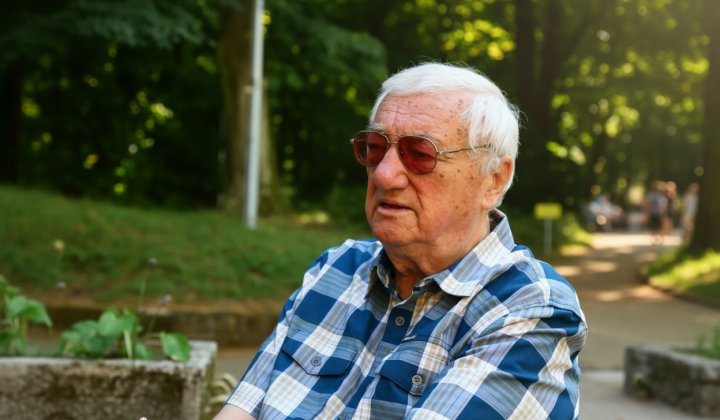
Yuriy Shcherbak on the Budapest Memorandum
According to Главком: In a recent interview, Yuriy Shcherbak, Ukraine's former ambassador to the United States, detailed the circumstances surrounding the signing of the Budapest Memorandum on December 5, 1994. This agreement, signed by Ukraine, Russia, the United Kingdom, and the United States, was a key part of Ukraine's accession to the Treaty on the Non-Proliferation of Nuclear Weapons. Shcherbak emphasized the immense pressure exerted on then-President Leonid Kuchma regarding the fate of Ukraine's nuclear arsenal. This pivotal moment in post-Soviet history saw a newly independent nation navigating immense international pressure.
Shcherbak revealed that the day after Ukraine declared independence, an order arrived from Moscow demanding the removal of all tactical nuclear weapons.
"Kuchma was under enormous pressure. Initially, he was against giving up the nuclear weapons,"
Shcherbak stated. Furthermore, Ukraine was left with 175 intercontinental ballistic missiles in silos, which Shcherbak described as colossal:
"I went down into the silos and saw them-they were enormous, practically the size of a multi-story building."
The former ambassador also stressed that Ukraine faced severe blackmail from its international partners over joining the non-proliferation treaty.
"The message was, if you don't join, you will receive neither official recognition from America nor financial aid,"
he noted. Ukraine's economy was in a dire state at the time, severely complicating the negotiations.
"I constantly had to listen to the Americans talk about how wonderful the situation was in Russia,"
Shcherbak said, highlighting the difficulties he faced in his diplomatic role.
Commitments of the Budapest Memorandum
The Budapest Memorandum contained several commitments designed to guarantee Ukraine's independence and security. These included:
- respect for Ukraine's independence, sovereignty, and existing borders;
- refraining from the threat or use of force against Ukraine's territorial integrity;
- a pledge not to use their own weapons against Ukraine, except in self-defense;
- an obligation to consult in the event a situation arises concerning these commitments.
Shcherbak added that Bill Clinton, the U.S. President at the time of signing, later expressed regret over the decision to disarm Ukraine.
"He held, and I think still holds, pro-Russian views,"
Shcherbak commented, adding that Clinton believed Ukraine itself violated the memorandum by declaring its intent to join NATO.
Thus, Yuriy Shcherbak's interview sheds light on the complex circumstances surrounding Ukraine's nuclear arsenal in the 1990s and the political decisions that had profound long-term consequences for the country.
The signing of the Budapest Memorandum was a critical milestone in Ukraine's history, as the document's commitments were intended to ensure the state's territorial integrity and security. However, as subsequent events demonstrated, these guarantees were not upheld, leading to new challenges for Ukrainian sovereignty. The episode remains a stark case study in the fragility of security assurances for states that voluntarily relinquish strategic weapons.
The pressures that Ukraine faced during the Budapest Memorandum negotiations were not isolated incidents. In a related discussion, former ambassador Yuriy Shcherbak highlights the significance of the U.S. partnership amid these challenges, emphasizing its critical role despite the intense demands placed on Ukraine to capitulate. For a deeper understanding of the complexities surrounding this diplomatic landscape, read more about the importance of U.S. support for Ukraine during this pivotal era.

Read also