Maradona's Childhood Home in Villa Fiorito Now Serves as a Community Soup Kitchen

A Historic Landmark's New Purpose
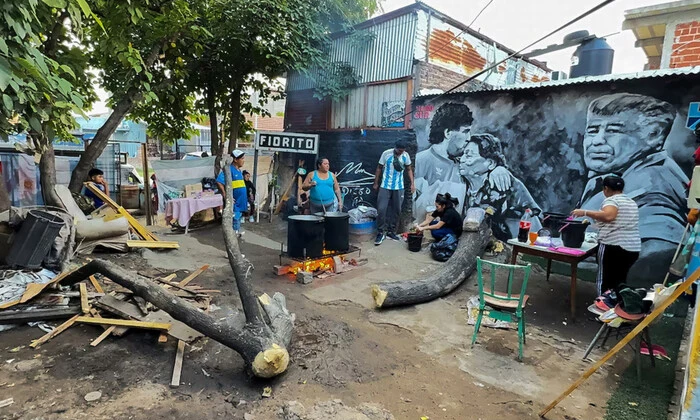
According to Главком: The house in the Villa Fiorito neighborhood of Buenos Aires, where the legendary footballer Diego Maradona was born and raised, has been repurposed as a volunteer-run soup kitchen. This transformation occurred against the backdrop of economic reforms implemented by President Javier Milei. The building was designated a national historic monument in 2021, underscoring its cultural significance for Argentina.
The current owner has permitted the use of the property's courtyard for volunteers led by Pastor Leonardo Fabian Alvarez. These volunteers prepare meals for local residents, offering crucial support during a challenging economic period. This initiative highlights how cultural heritage sites can be adapted to serve urgent community needs.
Economic Shifts and Community Response
The national economic landscape is shifting: Argentina's poverty rate fell from 52.9% in the first half of 2024 to 31.6% in the first half of 2025, indicating positive movement in the country's socio-economic situation.
According to data, the monthly inflation rate as of February 2026 was 2.9%. President Javier Milei's economic reforms, being implemented throughout 2025–2026, may influence the future direction of social policy. Thus, the conversion of Maradona's former home into a soup kitchen has become a symbol of hope and mutual aid for Villa Fiorito residents navigating a changing economic reality. This project demonstrates how communities can leverage their own history and resources to foster resilience.
The initiative reflects not only a desire to help people in difficult times but also the importance of cultural heritage-like Maradona's house-in shaping a community's social identity. Given the ongoing economic reforms, transforming this historic site into a support center shows the community's adaptability and willingness to help one another.
Such projects could serve as a model for other neighborhoods across the country, encouraging active steps to overcome socio-economic challenges.

Read also