Czech Government Proposes Defense Budget Cut to 2.1% of GDP, Abandoning 3.5% NATO Goal

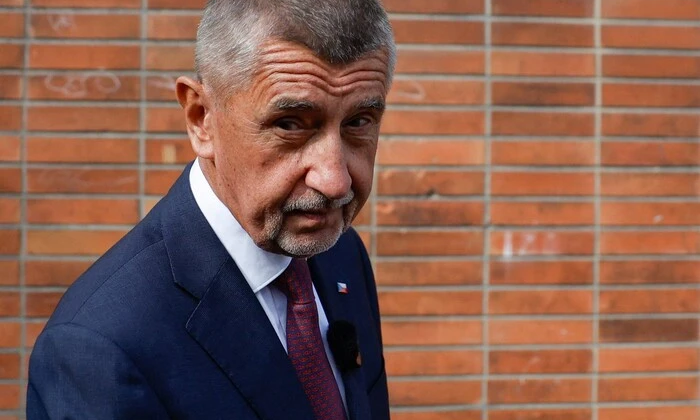
Czech Defense Spending
According to Главком: The Czech government, led by Prime Minister Andrej Babiš, has announced it will not increase defense spending to 3.5% of GDP. Instead, its proposed 2026 budget seeks to reduce military expenditure to 2.1% of GDP. This decision makes it unrealistic for the Czech Republic to meet new NATO spending benchmarks in the near future. This move comes as NATO allies face pressure to bolster collective defense in response to regional security challenges.
Babiš's cabinet presented a revised budget showing that the previous government, headed by Petr Fiala, had planned for defense spending at 2.35% of GDP. Fiala's administration had also intended to gradually raise this figure to 3% of GDP by 2030. However, the new government's plans reject these targets entirely.
Political Situation in the Czech Republic
Babiš's coalition government recently survived its first no-confidence vote in the Chamber of Deputies. The motion was supported by 84 opposition deputies, while eight opposition parliamentarians abstained. To oust the cabinet, at least 101 votes from the 200-member chamber were required, allowing the government to retain power and continue its work. The coalition is formed by representatives from the ANO party, 'Freedom and Direct Democracy,' and 'Motorists for Themselves.'
Prime Minister Babiš emphasized the government's focus, stating,
“Our priorities are the health of our citizens, so that they live long lives”
(Andrej Babiš). Consequently, the administration plans to concentrate on social issues rather than increasing military expenditures.
The proposed cut to Czech defense spending could have significant implications for both domestic politics and international relations, particularly regarding the country's commitments to NATO. The recent no-confidence vote also points to political instability that may affect the implementation of proposed reforms. Amid growing global threats, defense policy will remain a pressing issue for the Czech government and society.

Read also