Fuel Prices in Ukraine Hit a Standstill: Current Costs for Gasoline and Diesel

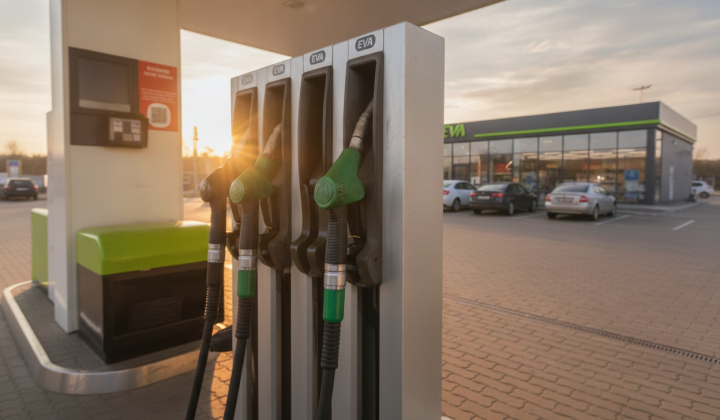
Fuel Prices in Ukraine as of July 12, 2026
According to Главком: As of July 12, 2026, gas station networks across Ukraine have kept their fuel prices unchanged. The average cost of A-95 gasoline stands at 76.23 hryvnias per liter, while diesel fuel is priced at 77.01 hryvnias per liter. The highest prices are charged by the OKKO, WOG, and Socar chains, whereas the lowest rates are found at BRSM-Nafta and Ukrnafta.
According to data from July 10, 2026, fuel prices at various gas station networks are as follows:
- UPG:
- A-95 Gasoline: 73.90 UAH/L
- A-95+: 75.90 UAH/L
- Diesel: 74.90 UAH/L
- Diesel+: 76.90 UAH/L
- KLO:
- A-95 Gasoline: 72.90 UAH/L
- A-95+: 77.40 UAH/L
- Diesel: 76.20 UAH/L
- OKKO and WOG:
- A-95 Gasoline: 78.90 UAH/L
- Diesel: 79.90 UAH/L
Cashback Program and External Influences
A fuel cashback program, active from March 20 to May 31, 2026, allowed 2.3 million Ukrainians to receive partial compensation for their fuel expenses. The compensation rates were 15% for diesel, 10% for gasoline, and 5% for autogas. Overall, the cost of diesel fuel in Ukraine increased by 33.9%.
The rise in fuel prices is tied to the conflict in the Middle East and the shutdown of a refinery, which has resulted in over 85% of light petroleum products depending on imports. Between February 26 and March 31 of this year, diesel prices surged by 86%, while gasoline prices rose by 16%. The Antimonopoly Committee sees no monopolistic practices in the market, despite the price increases.
According to Pavlo Kyrylenko, the primary objective factor driving up prices is that, after the closure of Ukraine's largest oil refinery, more than 85% of light petroleum products rely on imports.
Key factors influencing fuel prices include rising demand coupled with shrinking supply, higher actual costs for purchasing petroleum products, and increasing logistics expenses. This creates a challenging environment for both consumers and gas stations in Ukraine, forcing them to adapt to shifting market conditions. The current price freeze may indicate that gas stations are trying to prevent further hikes amid economic uncertainty. However, the heavy reliance on imported petroleum products leaves the market vulnerable to external shocks, such as global conflicts and changes in supplier pricing policies. The fuel market remains under close scrutiny, as any future shifts could significantly impact Ukraine's economy and consumer well-being.

Read also