Ukrainian Wheat Prices Surge Amid Global Supply Pressures

Ukrainian Wheat Prices on the Rise
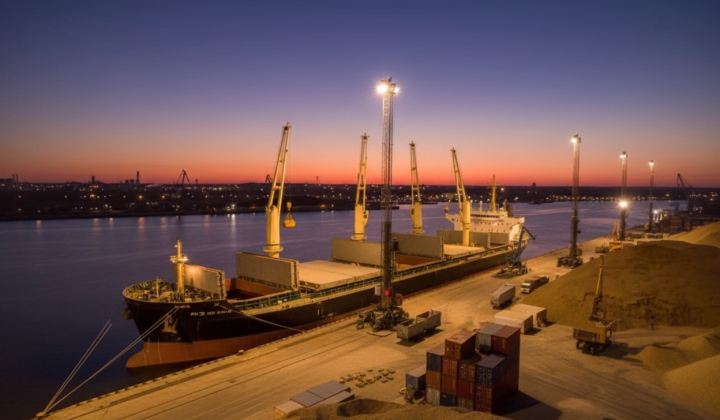
According to Главком: Ukrainian wheat prices have climbed due to a confluence of international factors, including conflict in the Middle East and severe drought in key U.S. farming states. This has driven up export purchase prices for food-grade wheat by 50 UAH/ton over the past week, reaching 10,600–10,700 UAH/ton or $216-$220 per ton, delivered to Black Sea ports. Feed wheat prices now stand at 10,300-10,350 UAH/ton or $209-$211 per ton, also delivered to Black Sea ports.
According to data from the Ukrainian Electronic Grain Exchange, grain prices have jumped by 4–11.9% over the last month. Last month's price increases were partly driven by shipment delays, which added a further 50–100 UAH/ton. The primary drivers of the current surge are the Middle East war and the critical U.S. drought, which have pushed up oil prices and freight costs. As a major global grain exporter, price shifts in Ukraine have significant implications for international food security.
Market Volatility and Future Outlook
Analysts also note that market speculation and panic buying could lead to instability.
"However, this spike will be temporary – once attacks on Iran cease and U.S. weather improves, the market will quickly calm down and prices will fall," experts noted.
Furthermore, it is worth noting that in 2025, over 2 million tons of grain were illegally exported from the temporarily occupied territories of Ukraine. The scheme for this illicit export involves transporting the produce from occupied areas to processing plants in Belarus, where it is mixed with the local harvest and exported under a 'Made in Belarus' brand.
Consequently, the situation on the Ukrainian wheat market remains tense, influenced by numerous external and internal factors that continue to impact prices. The price increases reflect global trends driven not only by environmental factors but also by geopolitical tensions. Experts emphasize that price dynamics could shift depending on developments worldwide, particularly in the Middle East and U.S. agricultural regions.

Read also