Chernobyl’s Silence: An Expert on the Cost of Government Secrecy and Today’s Nuclear Threats

Chernobyl Disaster: Lessons and Lasting Impact
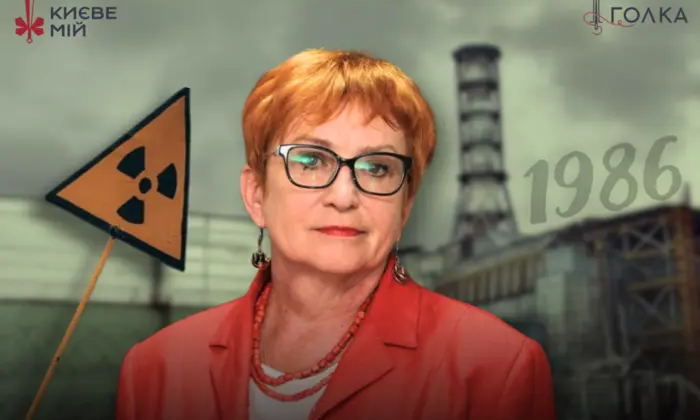
According to Главком: The explosion at the Chernobyl Nuclear Power Plant on April 26, 1986, ranks among the worst man-made catastrophes in history. This tragedy not only left a deep scar on Ukraine but also raised serious concerns about nuclear energy safety and reactor design. In an interview marking the 40th anniversary of the disaster, nuclear energy expert Olga Kosharna addresses several critical topics:
- the Soviet government’s cover-up of the accident;
- design flaws in the reactor;
- risks posed by the ongoing war;
- the potential of small modular reactors;
- the rise of environmental movements in Ukraine;
- and the urgent need for environmental education.
Following the Chernobyl explosion, Soviet state television only reported the incident on the evening of April 28-two full days later. In Kyiv, radiation levels surged 50 times above normal. It wasn’t until May 9 that the Ministry of Health issued guidance on radiation protection. While potassium iodide was distributed in Pripyat, it was not provided in Kyiv. Kosharna emphasized that the root cause of the disaster was the reactor’s inherent design flaws, noting that these reactors lacked a metal containment shell and were instead built from concrete.
“The first report was for the IAEA, and they (the Soviet authorities - ed.) blamed the staff entirely. But that’s not the truth,” the expert stated.
In the aftermath, environmental groups like Mama-86 and Zeleny Svit emerged in Ukraine. However, Soviet officials labeled these activists as nationalist elements. The Chernobyl issue became a central political topic during local elections in Kyiv, just before Ukraine declared independence. Notably, the late reconnaissance soldier Roman Ratushny also ran for a seat in the Kyiv City Council ahead of the full-scale invasion.
Olga Kosharna was directly involved in constructing the protective shelter over the destroyed reactor. She served as the head of safety for the Shelter Object from 1996 to 1998 and contributed to numerous key projects. The total cost of the New Safe Confinement (NSC) and the Shelter Implementation Plan (SIP) exceeded €2 billion, with the confinement structure itself costing €1.6 billion and funded by 47 nations. However, on February 14 of last year, a drone strike damaged the confinement structure over the Chernobyl plant.
Environmental Movements and Nuclear Energy
War-related risks remain a pressing concern. At the start of the full-scale invasion, Ukraine announced it had lost control over the city of Pripyat and the Chernobyl site. When Russian forces withdrew from the exclusion zone in late March 2022, radiation measurements revealed elevated levels. Heavy military vehicles stirred up radioactive dust, and a drone struck the Chernobyl plant, raising fears of a containment breach. Kosharna stressed the need for a special protected status for nuclear power plants during armed conflict to prevent a potential nuclear incident.
Small modular reactors are also being discussed as part of Ukraine’s nuclear energy future. General Electric has received a license for a 300-megawatt small modular reactor.
“Modular nuclear reactors are the future, but development must wait until after the war,” Kosharna said.
She also highlighted the importance of environmental education: “We need quality environmental education in kindergartens, schools, and universities. We must also work with parents.”
The Chernobyl disaster was a turning point for Ukraine, not only in terms of nuclear safety but also in fostering environmental awareness among the public. After 1986, environmental organizations began to form actively across the country, pushing ecological issues onto the political agenda and shaping the consciousness of new generations. Today, with new challenges like war, the safety of nuclear facilities remains extremely urgent, underscoring the need to support environmental education in Ukraine.
As discussions around nuclear safety intensify, the recent emergency session convened by the UN underscores the ongoing risks associated with nuclear facilities, particularly in light of the lessons learned from the Chernobyl disaster. Experts emphasize the need for robust safety measures and transparency to prevent future catastrophes, making this dialogue more crucial than ever.

Read also