Construction of Texas Wind Farm Threatens Quarter-Million Bats

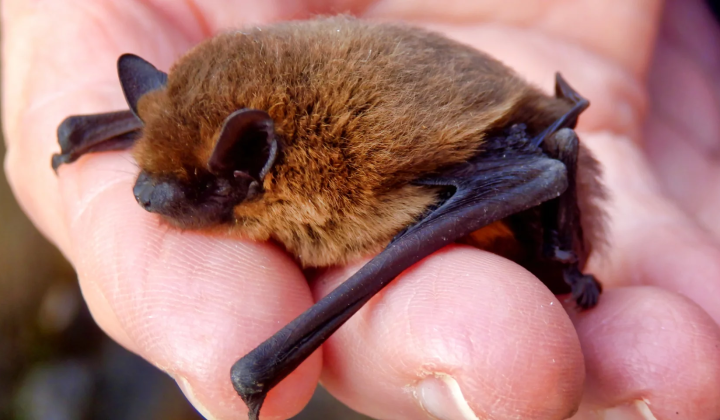
Quarter of a Million Bats Face Threat from Wind Farm Development
According to НВ — Техно: A major controversy has erupted in Texas over the Blue Hills wind farm project, which includes 46 towering turbines exceeding 200 meters in height. Located near the Devils River in Val Verde County, this site is close to Fern Cave, home to a large colony of Brazilian free-tailed bats. According to the Texas Department of Wildlife, roughly 250,000 bats inhabit this colony, playing a vital role in maintaining the local ecosystem.
Local ranchers and environmentalists are raising alarms about the potential dangers posed by the wind farm to these bats and other wildlife. The economic benefits of these bats to American agriculture exceed $3.7 billion annually, highlighting their importance to the region. Originally owned by a company with Chinese investment, the project’s ownership was transferred to the Spanish firm Greenalia due to Texas laws designed to protect energy infrastructure from foreign control.
Legal Battles and Environmental Concerns
Construction delays have been fueled by ongoing legal disputes. In 2023, neighboring ranch owners filed a lawsuit against the ERCOT grid operator to halt the wind farm’s connection to the power grid. Although a related contractual claim was dismissed by the court in spring 2025, research indicates that stopping turbine blades during low wind conditions could reduce bat fatalities by an average of 62%.
Bat Conservation International advocates for careful land-use planning to minimize the environmental impact of renewable energy projects. The Blue Hills wind farm situation continues to spark debate and concern among conservationists and local communities.
This conflict highlights the complex balance between advancing renewable energy and protecting biodiversity.
While wind energy can significantly reduce carbon emissions and dependence on fossil fuels, it may also endanger native species such as the Brazilian free-tailed bats, which serve essential ecological functions. Resolving this issue will require weighing economic benefits against environmental responsibilities. Cases like Blue Hills offer important lessons for other regions aiming to pursue sustainable energy development.

Read also