Ukraine's Demographic Crisis: The War's Toll on Birth Rates and Reproductive Health

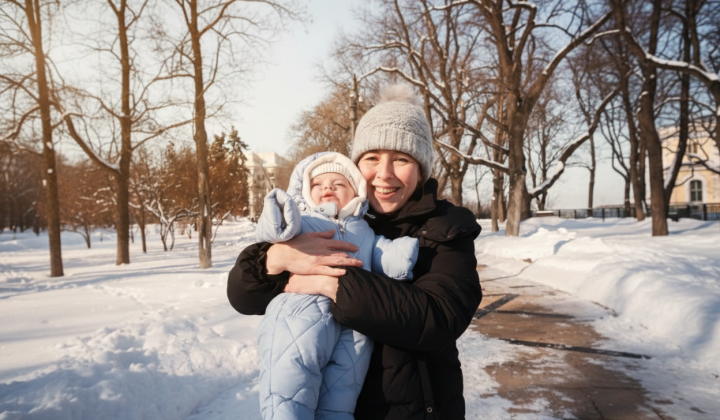
How the Conflict is Devastating Ukraine's Population Future
According to Главком: Four years of full-scale war have left Ukraine's demographic outlook increasingly dire. Since the invasion began, the nation has lost approximately 10 million people. The birth rate has plummeted to below one child per woman, a critically low figure compared to the European average of 1.4 and the U.S. rate of 1.6. This demographic collapse is accelerating as millions of Ukrainians have been forced to flee their homeland.
Since the 2022 escalation, around six million people from Ukraine have officially registered as refugees abroad. This mass exodus has created a severe population drain, presenting immense challenges for restoring demographic stability.
Demographer Ella Libanova starkly observes: 'This is a catastrophe. No country can exist without people.'
In this environment of conflict, many women who plan for motherhood face profound obstacles.
Stories of Reproductive Struggle
Olena Bilozerska, a servicewoman, underwent in vitro fertilization (IVF) in February 2022. She recounted that doctors advised her not to wait and to immediately use a donor egg. Following the procedure, Bilozerska deployed to the front, while her embryo remained in cryostorage for three years. She believes women serving in the military should undergo screenings and freeze their eggs to prevent future issues: 'I share my story so that fewer women find themselves in such a difficult position.'
Medical professionals report growing alarm over reproductive health. Valeriy Zukin notes they are observing more complications, anomalies, and difficulties in carrying pregnancies to term. Doctor Alla Baranenko points to a decline in both the quality and quantity of eggs, linked to stress in both women and donors.
Alla Baranenko states: 'The quality of eggs has deteriorated, and their number is decreasing – and this is due to stress.'
Reproductive health concerns also extend to men. Alla Baranenko highlights that the sperm quality of military personnel is worse compared to that of civilian men before the war. This is caused not only by stress but also by the harsh conditions in which they live. Statistical data and personal testimonies confirm the war's severe impact on the population's reproductive health.
Consequently, Ukraine's demographic crisis is deepening due to the war's consequences, leading to plummeting birth rates, population loss, a refugee outflow, and serious reproductive health problems. These factors demand urgent attention and solutions to secure the nation's future.
Addressing Ukraine's wartime demographic situation requires a comprehensive approach to problems linked to fertility and reproductive health. Amid a prolonged conflict, it is vital to consider both social and medical aspects to support women and men planning families and to mitigate the negative impact of stress on their health. Restoring demographic balance will be a key task for Ukraine after the war ends, as a stable population is fundamental for the country's future development. The scale of this crisis underscores the long-term societal cost of the ongoing invasion.

Read also