EU Countries Hold Sole Authority Over Deportation of Ukrainian Men

Deporting Ukrainian Men from Germany and Other EU Nations
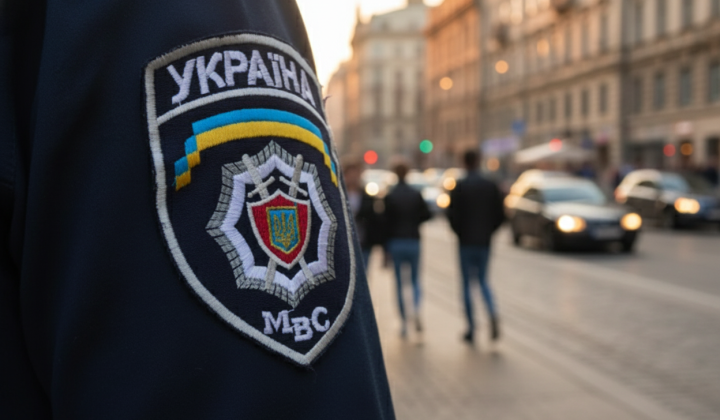
According to Главком: The forced removal of Ukrainian men from Germany and other European Union member states can only occur if the competent authorities of those countries issue such a decision. According to Ukraine's Ministry of Internal Affairs, Ukraine itself cannot initiate deportation proceedings. Any compulsory return of Ukrainian citizens across borders is carried out strictly under international agreements, particularly the Readmission Agreement between Ukraine and the European Union.
Under this agreement, Ukraine is obligated to take back its citizens if an EU country proves their Ukrainian nationality and demonstrates they have no legal basis to remain on its territory. Decisions about whether individuals can lawfully stay in EU nations rest solely with those countries' own agencies. As Ukraine's Ministry of Internal Affairs states,
“they alone determine the conditions of entry, residence, or potential return. Ukraine has no authority to decide on its own whom another country must keep or send back.”
Outlook and Refugee Situation
It is worth noting that in September 2025, the European Union approved recommendations for a phased termination of temporary protection for Ukrainians. These guidelines call for coordination among member states to ensure safe and voluntary returns. Experts predict that temporary protection is unlikely to be renewed in its current form.
Projections for how many Ukrainian refugees will remain in Europe after temporary protection ends vary based on conditions in Ukraine. In a fragile peace scenario, nearly 2.9 million Ukrainian refugees-56% of the current number-would stay in Europe. If hostilities continue, 99% of refugees, or 5.16 million people, would remain on the continent.
This situation highlights the complexity of international relations and the legal frameworks governing refugee status. The need for coordination among EU countries also underscores the importance of clear policies to ensure safety and human rights in the context of Ukrainian returns. Given the unpredictability of the conflict in Ukraine, the issue of refugee status will remain pressing and require ongoing attention from the international community.
As the situation for Ukrainian refugees evolves, understanding the dynamics of emigration within the EU becomes crucial. Recent data highlights trends in Ukrainian emigration, particularly in 2026, which can provide insights into the broader implications of current policies. For instance, which EU country experienced the highest outflow of Ukrainians during this period may shed light on the factors influencing these migration patterns and the future of Ukrainian citizens in Europe.

Read also