PMP means: what permanent residence means

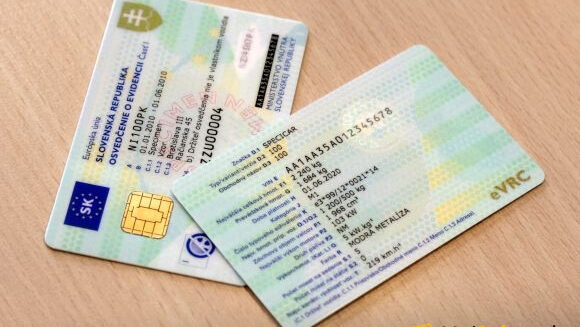
Obtaining PMP is a kind of dream for many, especially foreigners. However, even today it is worth updating knowledge about what PMP is and how to obtain this status in different countries.
What is PMP
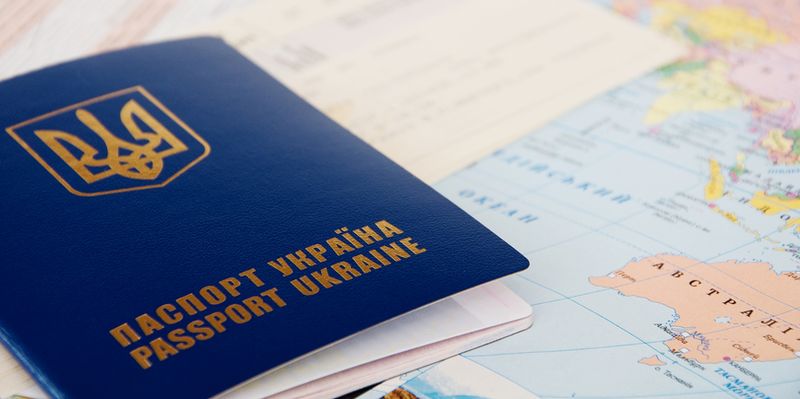
PMP is an abbreviation commonly used in everyday speech to denote permanent residence or the status of permanent residence. In the migration context of Ukraine, PMP usually refers to the right of a foreigner or stateless person to reside permanently in Ukraine, which is confirmed by the appropriate certification record. This status differs from temporary residence in that it is not tied to a short-term basis such as study, work under a specific contract, or other temporary circumstances.
At the same time, it is important to differentiate between the concept of permanent residence and the document that confirms it. Permanent residence is a legal status, while the residence permit is a document that certifies the identity of a foreigner or stateless person and confirms the right to permanent residence in Ukraine. This approach is used by Ukrainian legislation as of 2026.
PMP does not mean automatic obtaining of Ukrainian citizenship. A foreigner with a permanent residence permit remains a citizen of their country unless they have acquired Ukrainian citizenship in the established manner. At the same time, the permanent status creates significantly more stable conditions for living, working, studying, conducting business activities, and enjoying other rights in Ukraine.
To correctly understand PMP, it is necessary to take into account that the procedure for obtaining it is related to immigration. Generally, one must first have a legal basis for obtaining immigration permission, and after this is granted, a permanent residence permit is issued. At the same time, the law provides for specific categories of persons and special rules, so the specific procedure depends on citizenship, family ties, origin, status, professional activity, and other circumstances.
Permanent residence should not be equated with the registration of a place of residence. Registration of an address reflects the place of residence of a person, but does not itself create the right to permanent residence for a foreigner. The basis for such a right is the relevant immigration status and the valid document prescribed by law.
PMP in the migration field is the opportunity for a foreigner or stateless person to reside permanently in Ukraine without the need to constantly obtain short-term grounds for residence. The main document confirming such a right is the residence permit.
Ukrainian legislation defines permanent residence in Ukraine as the residence of a foreigner or stateless person based on a valid permanent residence permit, and, in cases provided by law, based on documents related to refugee status or asylum. Thus, the concept of PMP has legal meaning and is not reduced merely to the factual residence of a person at a certain address.
The residence permit simultaneously confirms several important circumstances. It certifies the identity of the foreigner or stateless person and confirms the legal grounds for permanent residence in Ukraine. This is why this document is used when interacting with government agencies, banks, employers, medical institutions, and other organizations.
The permanent status fundamentally differs from the usual permitted stay period. A foreigner who is in Ukraine without a permanent residence permit usually needs to have a separate legal basis for their stay. This could be visa-free status, a visa, a temporary residence permit, or another legal basis as prescribed. After obtaining PMP, the legal status becomes more stable as a person acquires the right to reside permanently in Ukraine.
At the same time, PMP does not make a person a citizen of Ukraine. The holder of a residence permit does not automatically receive a Ukrainian citizenship passport, voting rights in national elections, or other rights that the law directly ties to citizenship. Their status remains that of a foreigner or a stateless person.
Another important feature is that permanent residence does not eliminate the need to have a valid document. The status and document are closely related, but the permit has its validity period. In Ukraine, a permanent residence permit is issued for a period of 10 years. After this period expires, the document must be exchanged in the established manner.
In 2026, special rules related to military status also apply to foreign documents. For certain documents, transitional provisions are established by legislation, so when obtaining or exchanging the residence permit, one should consider not only general rules but also the laws in effect at the time of application.
PMP also does not mean that a person is obliged to live their whole life exclusively in Ukraine and cannot travel abroad. The holder of the document has the opportunity to travel; however, the length of absence and the circumstances of being outside Ukraine may have legal significance in certain procedures, particularly when confirming continuity of residence for further acquisition of citizenship.
Thus, PMP can be viewed as one of the most stable migration statuses for a foreigner in Ukraine until acquiring citizenship. It ensures the right to permanent residence but does not equate a foreigner to a citizen of Ukraine.
What rights does a PMP holder have
The holder of a permanent residence permit has the opportunity to legally and permanently reside in Ukraine. This is the main difference between such a status and temporary residence. A person does not need to repeatedly prove the right to stay in the country through short-term residence if their permanent status remains valid.
The legal status of foreigners with PMP in many areas approaches the position of Ukrainian citizens, although full legal equality is not present. The Constitution and laws may establish certain exceptions specifically related to citizenship.
The main opportunities for PMP holders include:
- permanent residence in Ukraine;
- the ability to work without the need to tie the right to residence to a specific temporary permit;
- the opportunity to study in Ukrainian educational institutions according to established rules;
- the ability to access medical, administrative, and other services under the terms provided by law;
- the ability to enter into civil law contracts and engage in legally permitted business activities;
- the ability to open accounts and use banking services while complying with financial legislation;
- the ability to more freely organize long-term residence in Ukraine than persons with temporary status;
- the ability to use permanent residence in the future as one of the conditions for obtaining Ukrainian citizenship if all legal requirements are met.
The right to work is one of the practical important consequences of permanent status. A foreigner with a permanent residence permit is not equivalent to a person who is in Ukraine solely on the basis of a temporary work permit. It is the permanent status that allows establishing employment relationships without tying the right to residence to a specific duration of permission.
PMP also simplifies long-term life planning in Ukraine. A person can rent or purchase housing according to the law, enter into long-term contracts, use banking services, and process documents without continually changing the basis of their residence.
However, a holder of PMP does not automatically receive all the rights of a citizen. For example, political rights directly associated with Ukrainian citizenship do not arise solely from the issuance of a residence permit. Also, certain positions in the public sector or types of activities may only be available to Ukrainian citizens.

Responsibility should also be considered. The holder of the residence permit must comply with Ukrainian legislation, inform about legally prescribed changes in personal data, timely exchange the document when necessary, and not use the permit after it becomes invalid.
Permanent status does not relieve one from customs, tax, civil, administrative, and other obligations. For instance, if a person is a tax resident of Ukraine or has corresponding income, tax legislation rules may apply regardless of whether they hold Ukrainian citizenship or a permanent residence permit.
The holder of PMP also has the right to leave Ukraine and return to it according to the rules for crossing the state border. The residence permit is one of the documents confirming the right to permanent residence and its associated opportunities.
At the same time, prolonged absence from Ukraine may have significance in certain legal procedures. This is particularly important for people planning to acquire Ukrainian citizenship in the future, as the law establishes rules concerning continuity of residence. Therefore, having PMP does not imply that any duration of absence abroad will automatically have no consequences.
How PMP differs from VNP
PMP and VNP are often used as abbreviations, but in migration practice, they signify different statuses. PMP is related to permanent residency, while VNP, or a temporary residence permit, certifies the right to stay in Ukraine for a specific period under a particular legal basis.
The main difference lies in the stability of the statuses. A temporary permit depends on the reason for which it was issued. This may include studying, work, family reunification, participation in specific activities, or other circumstances provided by law. If such a basis ceases to exist or the corresponding period expires, it may become necessary to obtain a new document or terminate the right to stay.
PMP is not tied to the short-term duration of a specific basis. After obtaining immigration permission and issuing a permanent permit, a person acquires the right to reside permanently in Ukraine.
A temporary permit has a limited validity. Generally, it is issued for a duration according to the documents confirming the basis for residence, but no longer than the period established by law. After that, the document should be exchanged if a person has the right to remain in Ukraine on the corresponding basis.
A permanent permit in Ukraine is issued for 10 years. This does not mean that after ten years a person loses the right to permanent residence. This refers to the validity period of the document itself, which is subject to exchange. The permanent status can be maintained if there are legitimate grounds.
Procedures for obtaining also differ. For temporary residence, it is usually required to confirm a specific reason prescribed by law. For PMP in a typical situation, obtaining immigration permission is a necessary step.
However, a temporary permit is not necessarily a 'lower' status in common understanding. It can be quite sufficient for a person who has come to Ukraine for a specific period. For example, a foreigner can study or work for a set timeframe without needing to arrange for permanent residence.
PMP is advisable in situations when a person plans a long-term or indefinite life in Ukraine and has legal grounds for immigration. VNP is more suitable for situations where residence has a specific temporary purpose.
At the same time, not every VNP holder can automatically transition to PMP after a specific period. In some categories, legislation provides the possibility of obtaining immigration permission after a corresponding period of residence, while other categories may have different rules. Thus, the mere fact of long-term residence with a temporary permit does not always mean automatic acquisition of the right to PMP.
Who can obtain PMP
The right to permanent residence in Ukraine is not automatically granted to every foreigner. The basis for issuing PMP is a legal reason for immigration. The Law of Ukraine 'On Immigration' defines the categories of persons who may apply for immigration permission.
These categories include, in particular, individuals with close family ties to Ukrainian citizens or foreigners who already have the relevant status, as well as certain specialists, scientists, culture practitioners, investors, and other categories defined by legislation.
Special rules are provided for people of Ukrainian origin or those associated with Ukraine under specific legal circumstances. The law also contains provisions for former Ukrainian citizens, certain military personnel, refugees, and other categories.
As of 2026, legislation contains specific provisions concerning foreigners and stateless persons related to military service in Ukraine. Such rules may affect the procedure for obtaining the relevant migration status and certain requirements.
For some foreigners, an important pathway is living in Ukraine based on a temporary permit for a legally established period. After meeting the corresponding condition and having other prescribed requirements, a person may apply for immigration permission.
Following the amendments made to legislation in 2025, the concept of continuous residence has a clear legal meaning. In general, continuous is considered residence when a single exit abroad for personal matters does not exceed 90 days and the total for a year does not exceed 180 days. The law also establishes exceptions for specific official, educational, medical, and other circumstances confirmed by appropriate documents.
When determining the right to PMP, it is necessary to consider not only the basis for immigration but also possible legislative restrictions. For example, immigration permission may not be granted to persons with certain unexpunged convictions, those posing a threat to national security, or those subject to other established legal restrictions.
The authenticity of documents and information is also verified. The mere possession of formal grounds does not guarantee a positive outcome if circumstances hindering immigration are established.
At a practical level, the right to PMP can arise from various life circumstances:
- family ties to Ukraine;
- Ukrainian origin or corresponding legal status;
- professional activity of significance to Ukraine;
- investment activities prescribed by law;
- long-term legal residence in Ukraine on the corresponding basis;
- refugee status or other humanitarian grounds established by law;
- service in the military in established legislative situations;
- other reasons directly prescribed by immigration law.
Thus, the possibility of obtaining PMP must be determined on an individual basis. The same document or status may grant the right to immigration in one situation but not create such a right in another. This is particularly important for individuals holding a temporary permit and planning to transition to permanent residence.
How to apply for PMP
Obtaining PMP in Ukraine through the general procedure consists of several sequential steps. First, the legal basis for immigration is determined. Without such a ground, permanent residence cannot be granted merely based on a person's desire.
The first practical step is to check the right to obtain immigration permission. Depending on the category of the applicant, this may involve a family relationship, professional activity, origin, previous status, duration of legal residence, or other circumstances.
Next, documents confirming identity and the corresponding reason are prepared. The specific list may vary in each situation. A foreigner typically needs a passport document and documents confirming the right to immigrate. Documents issued by foreign states must, in appropriate cases, be legalized or apostilled and translated into Ukrainian according to legal requirements.
The next step is to apply for immigration permission. Immigration permission is a decision that grants a foreigner or stateless person the right to permanent residence in Ukraine and is the basis for further issuance of the residence permit.
After receiving the permission, one must directly obtain the permanent residence permit. The application form must be submitted within the timeframe prescribed by law. According to the migration service, obtaining the permit after receiving immigration permission is carried out within the validity period of that permission.
During the process of obtaining, there is a verification of documents, personal data, and compliance of the applicant with established requirements. If the documents are incorrectly prepared or legal obstacles are identified, the administrative service may be denied.
It is important not to confuse immigration permission with the residence permit. These are two related, but different elements of the procedure. Permission is the decision that creates the legal basis for permanent residence, while the residence permit is the document that certifies identity and the corresponding right.
After the residence permit is made, it must be received in the established manner. The document holder should check the correctness of personal data, date of birth, citizenship, and other information. Errors in the document can create difficulties when crossing the border, banking operations, or interacting with government institutions.
As of 2026, the cost of obtaining a permanent residence permit depends on the active tariffs for administrative services and the document form. This amount may change, so before submitting documents, it is necessary to refer to the current payment amounts at the time of application.
The residence permit is issued for 10 years. After this period, it is necessary to exchange the document. An exchange may also be required earlier if personal data changes or other circumstances prescribed by law arise.
In certain cases, the law establishes special rules for submitting documents. For certain categories of persons, special provisions concerning passport documents, deadlines for application, or confirmation of specific circumstances may apply.
During military status, special norms regarding foreign documents also apply. Thus, information about the exchange deadlines, validity, and crossing border rules should be assessed with respect to the provisions valid at the date of application.
Generally, the procedure can be represented as follows:
- Determine the legal basis for immigration.
- Prepare documents confirming identity and basis.
- Submit documents for immigration permission.
- Receive a decision granting permission.
- Submit documents for the residence permit.
- Receive the prepared residence permit.
- In the future, timely exchange of the document if the validity period expires or other legal grounds change.
For a person already living in Ukraine on the basis of a VNP, it is particularly important not to wait for the expiration of the current permit if separate documents or compliance with the continuity requirement are needed to transition to permanent residence. Missing the necessary periods can affect the legality of the stay and the possibility of further document arrangements.
Is it necessary to extend the status
Permanent residence and the validity of the residence permit are not the same. PMP as the right to permanent residence is not processed annually, like some temporary migration documents. However, the permit itself has a specific validity period.
In Ukraine, a permanent residence permit is issued for 10 years. After the expiration of this period, the document must be exchanged. Therefore, talking about an annual 'extension of PMP' is incorrect. It is more accurate to speak of exchanging the permit due to the expiration of its validity.
Exchange is also required in other situations. For instance, if personal data changed after issuing the permit, discrepancies in documents arose, or other circumstances exist that require a replacement according to law.
In the case of changing one’s surname after marriage, it is important to timely align all documents accordingly. Initially, it may be necessary to replace the passport document, and then-exchange the permit. Delays in updating documents may create identification problems.
Special attention must be paid to rules that apply during military status. At various times, legislation has established special provisions for the automatic confirmation of the validity of certain expired documents. These rules change, so one should not assume that an expired permit automatically remains valid under any circumstances.
For the holder of PMP, it is important to independently monitor the validity period of the document. The state is not always obliged to remind separately about the need for exchange. Timely document preparation helps avoid a situation where the permit has already lost its validity, and the new document has not yet been arranged.
Permanent residence may also be terminated, or the permit may be deemed invalid in cases directly provided by law. For instance, illegal receipt of the document, provision of false information, the presence of certain restrictions, or other circumstances established by migration legislation may have legal significance.
That's why PMP should not be perceived as a status that cannot be lost. The permanent nature of residence means the absence of the need to regularly confirm a temporary goal of stay, but does not negate the requirements for compliance with Ukrainian legislation.
To maintain the status, it is important to:
- use only a valid residence permit;
- timely exchange the document;
- report legally prescribed changes;
- not use invalid or false documents;
- comply with the rules of stay and border crossing;
- consider continuity of residence requirements if planning to obtain Ukrainian citizenship;
- keep documents substantiating the legality of residence and other legally significant circumstances.
Thus, a PMP holder does not need to annually obtain a new residence permit. However, the residence permit has a validity period, thus it must be periodically exchanged. This feature often causes confusion between permanent status and an indefinite document.
Can one obtain citizenship after PMP
Permanent residence can be an important stage on the path to Ukrainian citizenship, but the residence permit itself does not imply automatic obtaining of Ukrainian citizenship.
To be accepted into citizenship, a foreigner must fulfill the requirements stipulated by the Law of Ukraine 'On Citizenship of Ukraine'. The list of conditions depends on the specific basis for acquiring citizenship. Having PMP is an important circumstance for many applicants, but it does not replace other legislative requirements.
One of the conditions in general is continuous residence in Ukraine for the period established by law. It is essential to consider that the law distinguishes between the concepts of permanent and temporary residence and also establishes special rules for calculating continuity.
As of 2026, the law defines continuous residence taking into account periods of staying abroad. The general rule stipulates that a single exit for personal matters should not exceed 90 days, and the total duration of such exits within a year should not exceed 180 days. Exceptions are provided for official business trips, studies, medical treatment, and rehabilitation if such circumstances are documented.
Different rules may apply for various categories of persons. For instance, the law provides exceptions or other conditions for refugees, individuals with outstanding merits to Ukraine, persons whose acceptance into citizenship constitutes state interest, as well as specific categories of foreigners and stateless persons who are or have been in military service in Ukraine.
Separate rules apply for children. In certain instances, a child residing in Ukraine with one of the parents or legal representatives holding a permanent residence permit may acquire citizenship through a special procedure without applying all general requirements set for adult foreigners.
In addition to the duration of residence, other conditions to be met for citizenship may include knowledge of the fundamentals of the Constitution of Ukraine and history of Ukraine, proficiency in the state language, existence of lawful sources of livelihood, and other conditions. The specific list depends on the basis and legal status of the applicant.
It is also important to understand the difference between PMP and citizenship in everyday life. A holder of a permanent residence permit can reside permanently in Ukraine, work, and enjoy many civil rights; however, the person does not become a citizen automatically. Citizenship creates a different set of rights and obligations, including political rights.
The procedure for accepting citizenship is also different from obtaining PMP. For citizenship, a separate set of documents is submitted, and a decision is made within the procedure established by legislation on citizenship. The mere fact of residence in Ukraine for a certain time does not automatically imply a change in citizenship.
PMP can be an important proof of legality and duration of residence, but when considering the application, other circumstances are also checked. The validity of documents, lengths of residence, civil status, family ties, knowledge of the Ukrainian language, and other legal conditions are significant.
Separately, it is necessary to consider issues concerning the termination of foreign citizenship. Ukrainian legislation contains its own rules regarding citizenship and belonging to Ukrainian citizenship. Depending on the situation, various documents and procedures related to the termination of foreign citizenship or obligations to the state may apply.
Thus, a typical pathway for a foreigner may look like a sequence of 'legal basis for immigration — immigration permission — residence permit — meeting requirements for citizenship — submission of citizenship documents'. However, this scheme is not the same for all categories, as the law establishes special procedures and exceptions.
PMP in this context has important practical significance: it creates a stable basis for long-term residence in Ukraine and may allow fulfilling the residence requirements necessary for obtaining citizenship in the future. However, the decision to grant citizenship is not made automatically, but after checking the applicant's compliance with legislative requirements.
Conclusion
PMP is a foreigner's or stateless person's permanent residence in Ukraine, confirmed by a residence permit. This status should be distinguished from citizenship and from temporary permits. It allows one to live permanently in Ukraine, work, study, use services provided by law, and plan long-term residence without constantly arranging temporary grounds.
As a general rule, obtaining PMP is linked to the presence of a legal basis for immigration. After obtaining immigration permission, a residence permit is issued. The document is granted for 10 years and subsequently must be exchanged, so permanent status does not imply the permit is indefinite.
PMP can become an important milestone for a foreigner planning to obtain Ukrainian citizenship in the future. At the same time, citizenship does not arise automatically from the presence of a permanent permit. Separate requirements must be met, and the established legislative procedure completed.
According to 2026, when arranging and using PMP, it is necessary to consider updated rules of migration legislation, provisions concerning continuous residence, the procedure for exchanging permits, and special norms related to military service. That is why the legal significance of having a residence permit is not only the fact of possession but also compliance with all established rules concerning its arrangement, validity, and use.
Overall, obtaining PMP is a complex but achievable task. It opens numerous opportunities for the foreigner.

Read also