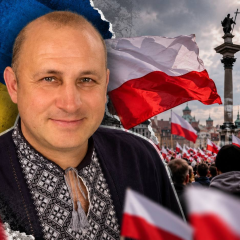
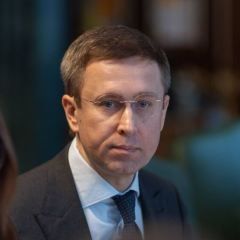
Kherson Regional Council Deputy Arrested on Suspicion of Aiding Russia

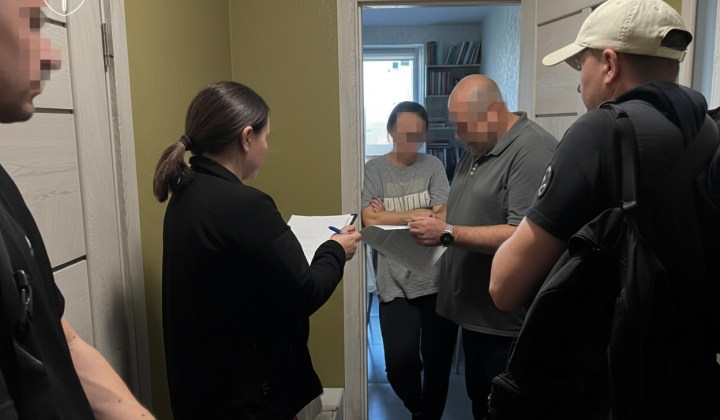
Charges Filed Against Kherson Regional Deputy
According to Главком: Valerii Saltykov, a deputy of the Kherson Regional Council, has been formally charged with aiding an aggressor state and engaging in collaborationist activities. Following the occupation of parts of the Kherson region, he allegedly restructured the operations of his companies to comply with Russian law, re-registered them in 2022, and coordinated with the occupying authorities. Saltykov was detained in Odesa after returning to Ukrainian-controlled territory in early January 2026.
Alleged Activities and Consequences
According to investigators, the deputy managed firms in vehicle maintenance and agriculture that were re-registered under Russian legislation and began paying taxes to the Russian budget. Saltykov had secured his council seat representing the European Solidarity party. Local outlet Most reports that his arrest occurred upon his return to Ukraine, shortly after he turned 60 years old.
Saltykov previously headed the Kakhovka District State Administration from 2015 and was elected to the Kherson Regional Council in 2020. The investigation also claims that he and his associates took control of several other agricultural enterprises in the Kakhovka district, transferring them to Russian jurisdiction. In total, the group is believed to have overseen at least eight companies.
The Prosecutor General's Office stated: 'He has been notified of suspicion of aiding the aggressor state, and a preventive measure of detention has been applied. Three other suspects currently in temporarily occupied territory have been charged in absentia.'
This case highlights the severity of accusations against local officials who collaborate with occupation administrations, which can have major repercussions for their careers and reputations. Saltykov's detention may also serve as a warning to other potential collaborators that Ukrainian authorities remain committed to cracking down on collaborationist activities at all levels, even after individuals return to government-controlled areas.
The situation surrounding collaboration with occupying forces continues to evolve, as seen in another recent case involving a former prison guard for Russian troops who attempted to join the Ukrainian police. This incident raises further questions about the implications and legal consequences for individuals who align themselves with aggressor states. For more details on this case and its significance, see this related report.

Read also