Even in national parks, wildlife behavior shifts when people are near

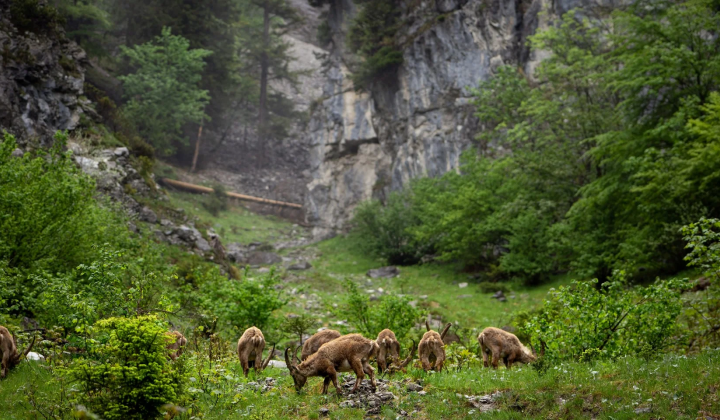
How human presence shapes wild animal behavior
According to НВ — Техно: Scientists from the University of California, Santa Barbara, the Smithsonian Institution, and Yale University have published a study in Science showing that wild animals react not only to landscape changes but also to the mere physical presence of humans. The research combined GPS data from 37 animal species with anonymized smartphone geolocation records across the United States, allowing the team to identify how these factors influence animal movements. This matters because outdoor recreation continues to expand across many regions, making subtle human impacts increasingly relevant.
The analysis covered 4,581 individual mammals and birds tracked for one week in the continental U.S. during 2019 and 2020. It was the first time that smartphone location data, resolved to the census-block level, were used to measure human impact on wildlife. For 57% of the species examined, both land-use change and direct human presence were critical. Human proximity altered either the size of the territory used or the ecological niche of 67% of mammal species and 68% of bird species.
Effects on habitat and species-specific responses
When both stressors combined, the area of available habitat shrank for 67% of mammals and 41% of birds. The strongest reactions to human presence occurred in relatively undeveloped areas, particularly national parks. Wolves, for example, expanded their ranges when people were nearby, whereas white-tailed deer broadened their niche with habitat modification but narrowed it as human numbers increased. Sandhill cranes displayed the opposite response pattern.
This research is part of an international biomonitoring initiative that brought together 600 partners and collected more than one billion location records for about 13,000 animals worldwide. The COVID-19 lockdowns-a phase sometimes called the anthropopause-may also have shaped the behavior of wild animals during the study period. These findings open new perspectives on the interplay between people and wildlife.
The results highlight the importance of accounting for human presence in ecological research and nature conservation. They could inform natural resource management strategies that preserve species and habitats while incorporating the reality of human activity. A better grasp of how our presence changes animal behavior may also help reduce conflicts between people and fauna and lead to more effective environmental protection programs.

Read also