Europe's Drone Stockpiles Are Rapidly Losing Value Due to Obsolescence

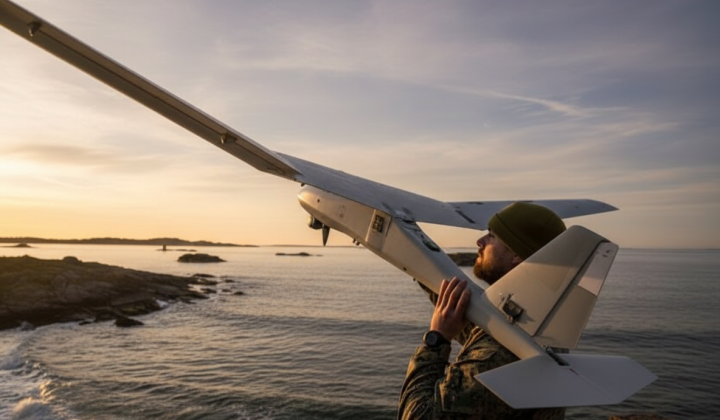
Rapid Obsolescence Plagues European Military Drone Inventories
According to ХВИЛЯ: European nations are confronting a critical challenge as the drones stockpiled in their arsenals become obsolete at an alarming rate. This issue, starkly highlighted by the war in Ukraine, stems from the blistering pace of technological advancement. The conflict has proven that small, inexpensive unmanned aerial vehicles can be as decisive on the battlefield as heavy armored vehicles. However, many drones supplied to Ukraine by its Western allies are already outdated upon arrival. A significant factor is that most Western drone models require extensive reconfiguration for use in Ukraine, and a considerable number are simply cannibalized for spare parts.
A major part of the problem is a heavy reliance on Chinese components, which account for up to 80% of the global drone parts supply. These components are being supplied to both sides of the conflict in Ukraine. The lifecycle is shockingly short: by the time a drone is purchased, it can be obsolete within eight weeks. This is because its software may require 20 to 30 updates just to counter the electronic warfare countermeasures deployed by Russian forces.
Training and Tactical Adaptation Are Essential
Experts emphasize that European forces must prioritize training, adapt their tactics, and fundamentally shift their soldiers' mindset. As Lorenz Mayer notes:
“If countries invest in training, in three years they will still have drones that are six months out of date, but they will have built an industry capable of quickly producing new models.”
Some specialists, however, argue that the core technology is not evolving as rapidly as perceived. Srđan Kovačević contends that the fastest-changing element is the frequency spectrum required for drone operations. Therefore, when a working frequency is identified, there is an urgent need to procure new components to keep the drones functional in the field.
This obsolescence dilemma is a pressing concern for European countries striving to modernize their arsenals for contemporary combat requirements. The situation underscores a broader strategic shift, where military advantage depends less on sheer hardware numbers and more on the ability to iterate and adapt technology rapidly. For European militaries, future operational effectiveness will hinge not only on updating equipment but on fundamentally transforming how it is deployed in a fast-changing technological environment.

Read also