Expert: Ukrainian Consumers Should Not Bear the Cost of Russia's Energy War

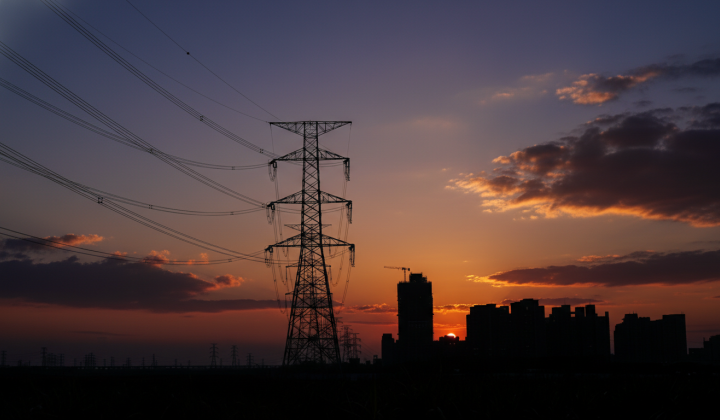
Criticism of Low Tariffs for Households
According to ХВИЛЯ: Energy expert Oleg Popenko has criticized proposals to keep household utility tariffs artificially low, arguing that consumers are not responsible for the destruction of Ukraine's energy infrastructure by Russia. He contends that Ukrainian citizens should not be forced to subsidize the war risks of private corporations like DTEK, which generate billions in revenue and have access to European credit lines.
Popenko also noted that the state sector, including Ukrenergo, receives substantial financial support amounting to billions of euros through international programs from institutions like the European Bank for Reconstruction and Development and the World Bank. He emphasized that regional energy distributors (oblenergos) are private monopolies capable of earning significant profits, yet they shift their financial burdens onto consumers.
A Call for Tariff Reform
The expert stressed that household tariffs must not be used as a tool to solve the financial difficulties of private companies.
"When they say 'there is no money,' it only means one thing-they don't want to pay from their own profits," stated Oleg Popenko.
He further added,
"To transfer this onto the utility bills of pensioners or families is not market practice; it is robbery."
According to Popenko, Ukrainians should not have to fund the war a second time through their utility payments. He summarized the situation by stating, "you pay too little," and called for a revision of tariff-setting approaches that prioritize private company interests over those of the population. This debate occurs against a backdrop of immense strain on Ukraine's energy grid following targeted Russian attacks, making fair pricing a critical issue for economic stability.
Oleg Popenko's remarks highlight the critical need to understand how utility tariffs are linked to the financial hardships caused by the war and Ukraine's economic situation. The issue of tariffs is particularly pressing given the increasing financial burdens on households, demanding clear and equitable solutions from both the state and private companies. Resolving this challenge may require a comprehensive approach that balances state and private interests while prioritizing the needs of consumers.

Read also