EU Prepares New Sanctions Package Targeting Lukoil and Rosneft

21st EU Sanctions Package Against Russia
According to Главком: The European Union could finalize its 21st sanctions package against Russia as early as next week. These fresh restrictions aim to increase pressure on Russia’s energy sector and close loopholes used to evade existing measures. Companies such as Lukoil and Rosneft are expected to be targeted, and discussions are underway about imposing a full asset freeze on them within EU territory.
Brussels also plans to crack down on Russia’s shadow fleet. As part of the new package, the EU is considering expanding the list of vessels subject to sanctions and tightening prohibitions on services, including insurance. However, a complete ban on maritime services for Russian oil transport is not currently planned. The package may also formalize a price cap on Russian oil at $44.10 per barrel.
Key Topics Under Discussion
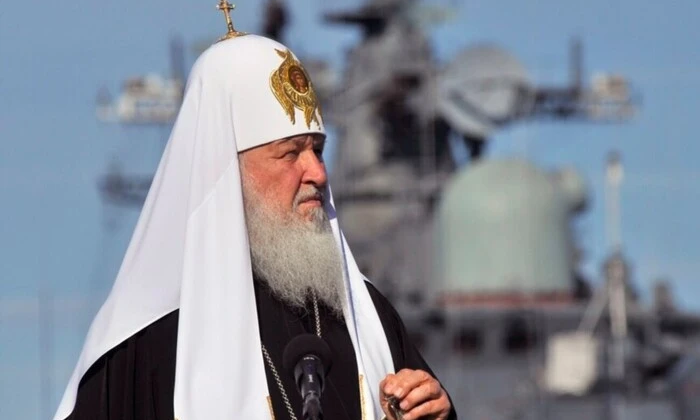
Another major topic of debate is the potential inclusion of Patriarch Kirill of the Russian Orthodox Church on the sanctions list. Hungary, under Viktor Orbán’s government, previously blocked this move, but Budapest’s stance may now shift.
On April 23, the EU approved its 20th sanctions package against Russia. That package was one of the largest in the last two years, covering the energy sector, the military-industrial complex, and the financial sphere. It added 58 companies linked to drone production and other weaponry for the Russian army. For the first time, the EU also introduced mechanisms to counter sanctions evasion, banning the export of CNC machines and radio receivers to Kyrgyzstan.
This new sanctions package could mark a significant step in the EU’s efforts to intensify pressure on Russia, particularly in terms of energy security and regional stability. Applying additional restrictions to companies with major influence on the Russian economy underscores the seriousness of the EU’s intent to counter Moscow’s aggressive policies. As sanctions become more targeted, it will be important to monitor their impact on Russia’s domestic situation and the international community’s response to these measures.

Read also