EU Prepares Contingency Plans for Potential Orbán Victory

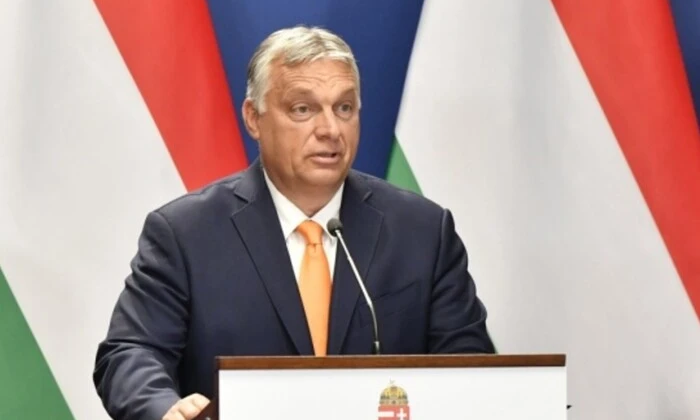
EU Considers Response to Possible Orbán Election Win
According to Главком: The European Union is actively formulating potential responses should Hungarian Prime Minister Viktor Orbán's party secure victory in the parliamentary elections scheduled for April 12, 2026. This preemptive planning highlights the EU's growing concern over Hungary's direction under Orbán's leadership. Among the options being considered by European policymakers are:
- Expanding the use of qualified majority voting;
- Transitioning to a 'multi-speed Europe' model;
- Applying financial pressure;
- Suspending Hungary's voting rights in the EU Council;
- The theoretical possibility of expelling Hungary from the EU.
Concerns Over Hungary Blocking Ukraine Aid
European Council President António Costa has indicated that Hungary's blockage of a loan for Ukraine may violate Article 4(3) of the EU Treaty. This issue is causing significant concern among member states, as suspending Hungary's voting rights would require unanimous support from all other countries. Slovakia is preliminarily expected to oppose such a measure, complicating the feasibility of this scenario.
Other potential responses include intensifying financial pressure, such as withholding EU funds, and moving towards a 'multi-speed Europe' format, which would allow for more flexible cooperation among member states. One EU official noted:
“This is what we are pushing for in any case, regardless of the specific situation with Orbán: if you want to react quickly, you need more decisions taken by qualified majority.”
It is important to note that Article 50 of the EU Treaty, which was used during Brexit, has no precedent for the expulsion of a country from the bloc in EU history. This makes the discussed scenarios even more complex and necessitates a careful analysis of the consequences for the entire European Union. The situation with Hungary could significantly impact the future of European integration, as the chosen response strategies may define not only relations with Budapest but also the broader political atmosphere in the region. The importance of this issue is further amplified by the wider security and economic stability challenges currently facing Europe.
As the EU grapples with the potential implications of Orbán's continued leadership, it is crucial to consider the broader context of Hungary's recent actions, particularly its stance on Ukraine. The ongoing tensions surrounding Hungary's blockade of significant financial aid for Ukraine have prompted EU leaders to explore various measures, including invoking Article 7. For a deeper understanding of how these developments might affect Hungary's relationship with the EU, read more about the threats surrounding the blocked €90 billion aid package here.

Read also