EU Sets No Timetable for Ukraine to Repair the 'Druzhba' Oil Pipeline

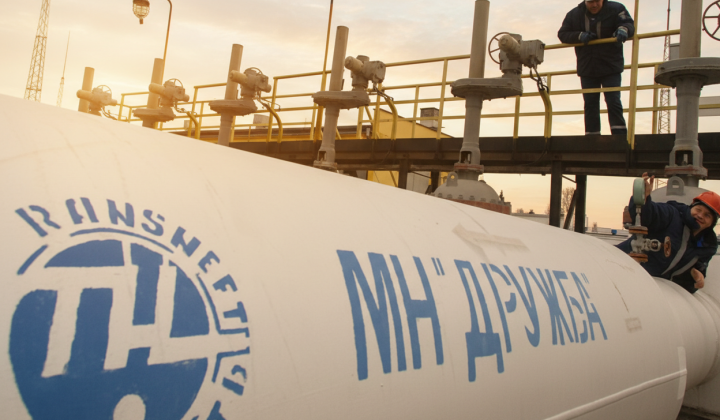
The Status of the 'Druzhba' Oil Pipeline
According to Главком: The European Union has not issued any demands or deadlines to Ukraine for repairing the 'Druzhba' oil pipeline. The European Commission is actively engaged in discussions with Ukraine, Slovakia, and Hungary regarding the schedule for the necessary repair work. Tensions persist over the pipeline, a key conduit for Russian oil into Europe, as Slovakia and Hungary have accused Ukraine of causing delays in restoring its operations.
The 'Druzhba' pipeline was damaged earlier this year, requiring significant repairs. In response, Slovakia and Hungary have sought assistance from Croatia to secure alternative supplies of Russian oil. Slovak Prime Minister Robert Fico and Hungarian Foreign Minister Péter Szijjártó have both expressed their dissatisfaction with the situation, pointing to delays they attribute to Ukraine.
"We are not pushing, pressuring, or setting any deadlines for Ukraine."
Anna-Kaisa Itkonen, European Commission Spokesperson
This statement underscores the EU's approach of supporting regional efforts to resume Russian oil supplies, despite the current challenges. The Druzhba pipeline remains a critical focus due to its importance for European energy security. The timeline for restoring its function hinges on the speed and efficiency of the repair work being conducted in Ukraine. The pipeline is a major artery for Russian oil, and its disruption has significant implications for regional energy markets.
The Pipeline's Role in European Energy Infrastructure
The significance of the 'Druzhba' pipeline for Europe's energy infrastructure cannot be overstated, as it plays a vital role in transporting Russian oil to European nations. Amidst current challenges, including energy dependence and political tensions, repairing this critical asset is essential for maintaining stability in the regional energy market.
The situation also highlights the complex interdependencies between Ukraine and neighboring countries that rely on its transit infrastructure. Continued constructive dialogue among all parties is crucial for resolving the issues and resuming supplies, which would help alleviate regional tensions.

Read also