The EU bypasses Hungary's veto: how Europe is turning into a 'community of different speeds'

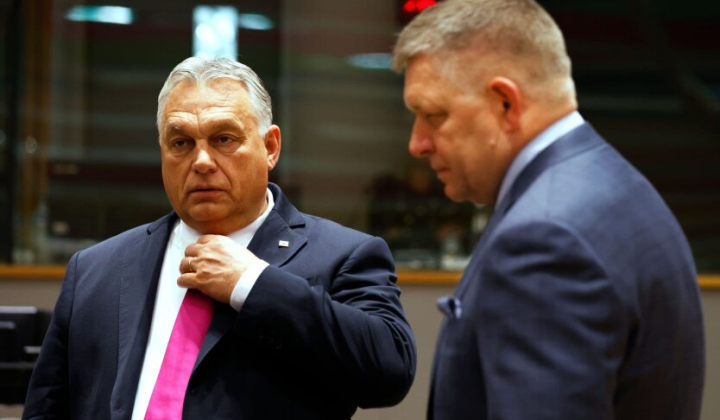
Transformation of the European Union
According to ХВИЛЯ: The European Union has begun transforming into an organization of 'different speeds', which allows circumventing national vetoes, particularly those of Hungary and Slovakia. This was made possible by an agreement signed by 24 countries without the participation of Hungary, Slovakia, and the Czech Republic, highlighting new strategies aimed at ensuring greater flexibility in decision-making.
It is noted that since 2011, 15 EU member states have used vetoes 46 times, with Hungary blocking 19 decisions, most of which concerned support for Ukraine. Slovakia, in turn, blocked two decisions in 2023. In order to avoid such situations, the EU has decided to utilize new mechanisms, including Article 122, which allows for the indefinite freezing of Russian assets. A roadmap called 'REpowerEU' has also been presented, structured in such a way that major legislation will be adopted by a majority vote.
EU's Intent and Expert Remarks
Additionally, the European Council proposes to abolish the requirement of unanimity when opening each negotiating chapter for the accession of new members. These changes indicate the EU's intention to move towards enhanced cooperation and the creation of coalitions of the willing, enabling quicker responses to challenges faced by the community.
However, experts warn that this strategy is not 'bulletproof'. Daniel Hegedüs has expressed concerns about the potential consequences of such an approach. Nevertheless, leaders such as Emmanuel Macron and Friedrich Merz emphasize that the right of veto should remain only as a 'last resort', highlighting the need to adapt to new conditions in the political environment of Europe.
Emmanuel Macron: 'The right of veto should remain only as a last resort.'
These changes in decision-making mechanisms within the European Union reflect a desire for greater efficiency and speed in responding to contemporary challenges, particularly in the context of geopolitical crises. New rules may facilitate better support for Ukraine and other important initiatives, despite resistance from certain states. At the same time, the retention of the veto power for some countries could provoke new disputes and tensions within the EU, complicating further integration processes.

Read also