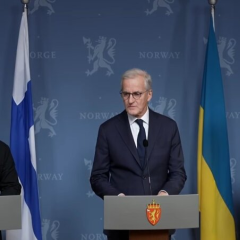
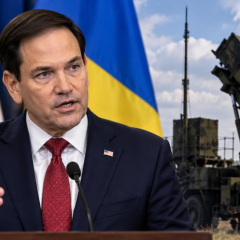
EU Extends Russia Sanctions for One Year After Hungary’s Leadership Change

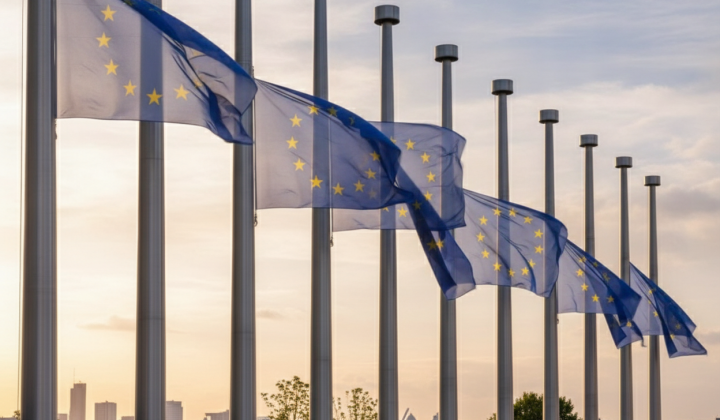
Sanctions Against Russia Extended
According to Главком: On June 24, EU ambassadors in Brussels approved a one-year extension of sectoral economic sanctions against the Russian Federation. This decision followed the directive issued by European Council leaders during their summit on June 18. During the meeting of EU member state ambassadors, a written procedure was agreed upon to formalize the decision at the Council of the EU level, with a deadline set for June 25 at 11:00 AM Brussels time.
Hungary’s Shift in Stance
The June 18 summit marked the first time EU leaders agreed to a year-long renewal of sanctions against Russia, a development made possible by a change in Hungary’s government. Former Hungarian Prime Minister Viktor Orbán had consistently blocked such initiatives, but the new head of the Hungarian government, Péter Magyar, who took office in May, supported the one-year extension.
It is worth noting that Bulgaria opposed parts of the EU’s 21st sanctions package against Russia. Unanimous support from all EU member states is required for sanctions to be adopted. Additionally, the EU expanded its sanctions list, adding over 80 individuals and entities linked to Russia.
“The European Council agreed on a 12-month period, and today at the meeting of EU member state ambassadors, the use of a written procedure was agreed upon to adopt the corresponding decision at the Council of the EU level.”
The extension of economic sanctions against Russia demonstrates the EU’s continued unity on foreign policy matters, despite internal disagreements. The change in Hungary’s government, which had previously blocked such measures, opens new avenues for the EU to respond to Russian aggression. However, opposition from Bulgaria highlights that achieving consensus on these issues remains a challenge for the Union.
The recent extension of sanctions against Russia marks a significant shift in EU policy, especially following Hungary's change in leadership. This development not only underscores the EU's commitment to a united front but also raises questions about the dynamics within the bloc. For a deeper understanding of the implications of this decision and how it compares to previous sanctions, you can read more about the full-year extension of sanctions for the first time.

Read also