Hungary and Slovakia Block EU's €90 Billion Loan Package for Ukraine

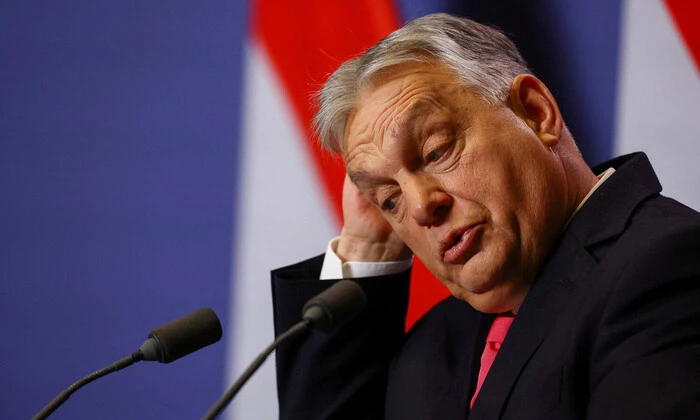
EU Loan for Ukraine Faces Hungarian and Slovakian Veto
According to Главком: The European Union has approved a €90 billion loan for Ukraine, intended to span two years, but the decision is currently being blocked by Hungary and Slovakia. Both nations are also obstructing the adoption of a new, 20th package of sanctions against Russia. Hungarian Prime Minister Viktor Orbán reaffirmed his stance at a Brussels summit on March 19th, linking his approval of the loan to the resumption of Russian oil supplies via the Druzhba pipeline through Ukraine. It is worth noting that supplies through this pipeline were halted following a Russian attack in January. This financial support is considered critical for Ukraine's wartime economy and long-term stability.
European Commission President Ursula von der Leyen has assured that funds for Kyiv will be secured despite the veto from Hungary and Slovakia. Meanwhile, German Chancellor Friedrich Merz suggested that Hungary's resistance may be connected to the country's approaching parliamentary elections on April 12th. Orbán's Fidesz party has a history of employing an 'enemy' narrative during election campaigns, which can influence the Prime Minister's political decisions.
Exploring Alternative Funding Avenues for Ukraine
As the EU searches for alternative ways to finance Ukraine, it is considering a loan from the International Monetary Fund as well as bilateral aid from individual member states. Florian Kommer noted that if IMF funds prove insufficient and time becomes a pressure, the likelihood of bilateral solutions increases, as Ukraine requires funding certainty for long-term planning. Additionally, a debate has emerged regarding the use of frozen Russian assets held in Belgium. Former German Defense Minister Annegret Kramp-Karrenbauer has proposed transferring these assets from an account in Belgium to an EU account elsewhere.
Hungary and Slovakia continue to block the implementation of key EU decisions, significantly impacting financial support for Ukraine. The European Union is now seeking ways to influence Orbán, weighing two options: reducing funding to Hungary or adopting a more conciliatory approach toward the country. As Gerhard Sabathil pointed out, the ingenuity of lawyers in Brussels is greater than those in Hungary who orchestrated the blockade might imagine.
The blockade of Ukraine's loan by Hungary and Slovakia underscores the complex interplay of domestic politics within these nations, particularly with elections looming. This situation could substantially affect the financial aid Ukraine desperately needs to continue its defense against Russia. The EU's efforts to find alternative support pathways highlight the critical importance of international coordination on financial matters amid ongoing global challenges.
As the situation develops, the European Union is actively seeking ways to navigate the hurdles posed by Hungary and Slovakia to ensure financial support for Ukraine. In light of these challenges, the EU is exploring alternative strategies to secure the necessary funds, which may include leveraging international resources and examining the potential of frozen Russian assets. This ongoing dialogue highlights the urgency of finding a solution to bolster Ukraine's economy amid the ongoing conflict.

Read also