For the First Time Ever, the EU Unveils a Plan to Eradicate Extreme Poverty


A Landmark EU Anti-Poverty Strategy
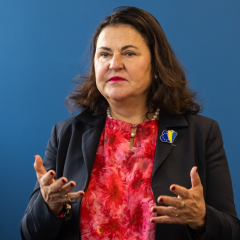
According to Главком: The European Commission has rolled out its first-ever comprehensive strategy aimed at tackling poverty and social exclusion across the bloc. This initiative seeks to eliminate extreme poverty within the European Union by the year 2050. Currently, roughly 92.7 million people-nearly one in five EU residents-face the threat of poverty or social isolation, according to European Commission Vice President Roxana Mînzatu. To put this in perspective, that is a population larger than that of Germany.
Goals and Obstacles Ahead
Under the plan, the EU aims to lift at least 15 million people out of poverty by 2030. So far, however, only 3.7 million individuals have received assistance. The situation is especially dire for young people, single parents, and children. The strategy places a strong emphasis on combating homelessness, supporting individuals with disabilities, and aiding children from low-income families.
This new framework focuses on improving access to education, healthcare, housing, and social services. Some countries are set to pilot a special digital child guarantee card. Yet, no dedicated budget has been allocated for the program's implementation. Officials in Brussels have stated they intend to rely on existing EU social funds and financing. The situation in the United Kingdom is particularly alarming: nearly 7 million people are living in deep poverty, marking the highest level in three decades.
The strategy proposed by the European Commission could significantly reshape social policy across EU member states, as it adopts a comprehensive approach to addressing poverty and social exclusion.
A key aspect of the plan is its effort to improve access to basic services, which could yield long-term benefits for vulnerable populations. However, the lack of a separate budget for these initiatives may pose a serious obstacle to successfully carrying out the strategy.

Read also