EU Rejects Accelerated Accession Model, Upholds Standard Path for Ukraine's Membership

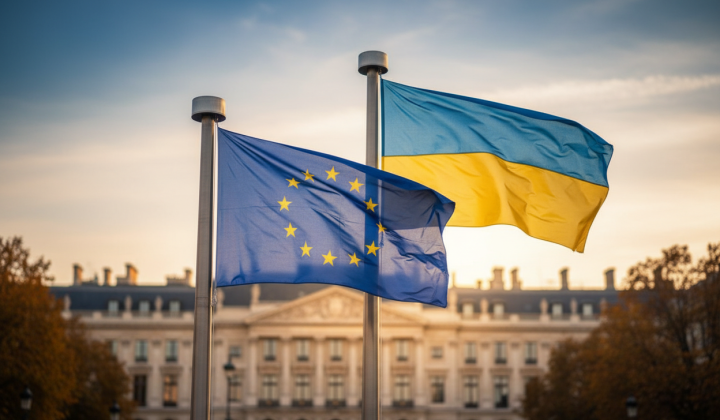
Accelerated 'Reverse Enlargement' Model Rejected
According to ХВИЛЯ: During a meeting of the COREPER II committee, representatives of EU member states rejected a European Commission proposal for a 'reverse enlargement' model to fast-track Ukraine's accession. This model would have granted membership first, followed by a phased integration of rights. The European Commission had advocated this 'membership first, integration later' initiative with the goal of Ukraine joining the EU by 2027. Instead, EU leaders are expected to endorse the traditional, merit-based approach at the summit on March 19th. This decision underscores the EU's cautious stance on expansion, prioritizing established procedures over rapid political gestures.
Diplomatic Meeting and Reactions
The meeting of EU member state ambassadors in the COREPER II format took place on Wednesday evening. Diplomats concluded that the 'reverse enlargement' model had no future. One EU diplomat stated:
'That's it. Reverse enlargement is going nowhere.'
Another senior diplomat added:
'They created false hopes. Now we need to correct that and tell them: in fact, this reverse enlargement was dead from the beginning.'
EU representatives emphasized the importance of adhering to the merit-based system and finding a realistic path forward for work with Ukraine.
The current EU accession model was shaped over 40 years ago during the accession of Spain and Portugal. EU Commissioner for Enlargement, Márta Kós, noted that 'the current accession model... was created for a stable, rules-based world that no longer exists.' Beyond membership discussions, the summit will also address a loan for Ukraine for 2026-2027. Hungary, for its part, has linked its veto on a 90 billion euro loan to the issue of a pipeline. Several EU member states have also called on Ukraine to allow inspectors to assess pipeline damage. The pipeline issue highlights how bilateral disputes can complicate broader strategic support for Ukraine within the EU framework.
Ultimately, despite active discussions and initiatives, the EU continues to adhere to its traditional enlargement approaches, illustrating the complex nature of Ukraine's integration into the European community. The rejection of the 'reverse enlargement' model reinforces the necessity of meeting established standards and criteria, a requirement for all candidate countries, which may extend Ukraine's accession timeline.

Read also