Citizenship of Serbia: how to obtain it, repatriation, origins, conditions for Ukrainians

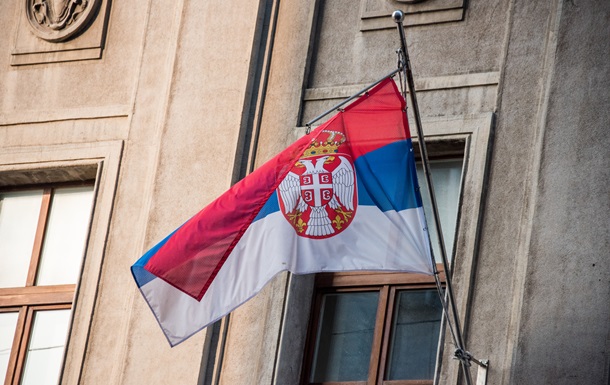
Serbia cannot be called the most popular destination for migration, but it should not be dismissed either. Therefore, issues such as how to obtain Serbian citizenship or how to acquire similar citizenship for Ukrainians (for example, citizenship of Serbia by origin) remain relevant.
In general, the procedure for obtaining citizenship in Serbia is almost the same for both Europeans and Ukrainians. However, the system for obtaining Serbian citizenship for Ukrainians is currently somewhat simplified. Overall, citizenship of Serbia through repatriation or employment is a feasible opportunity that opens up numerous advantages. However, to obtain citizenship of Serbia, one will have to make an effort and arrange a lot of documents.
What Serbian citizenship provides

Serbia remains one of the most attractive Balkan states for Ukrainians considering moving thanks to relatively affordable living costs, cultural proximity of Slavic peoples, and the absence of a requirement to learn a complex language at the initial stage of adaptation. The country is officially a candidate for membership in the European Union, making the prospect of obtaining a Serbian passport particularly appealing in the long term. At the same time, the country's citizenship legislation has a number of specific features, including a strict attitude towards dual citizenship, so it is worth examining all available paths for legalization and naturalization in detail.
Serbian citizenship grants a person a full range of rights, including the right to vote in national elections, unlimited access to the country's labor market, free medical care within the state healthcare system, and the right to consular protection by the Serbian state abroad. A Serbian passport opens visa-free access to over a hundred countries worldwide, including the Schengen Area, significantly simplifying travel and business trips for passport holders.
As Serbia is an official candidate for EU membership, acquiring citizenship of this country is viewed by many foreigners as a strategic investment in the future: once the process of European integration is completed, Serbian citizens will automatically obtain all the rights of EU citizens without additional naturalization. Additionally, the low cost of living, affordable real estate prices, and relatively low tax burden make the country attractive for small and medium-sized business operations.
An important feature of Serbian legislation is the principle of a strict attitude towards dual citizenship: individuals who acquire citizenship through standard naturalization are required to provide evidence of renunciation of their citizenship of origin, while exceptions are provided for repatriates, persons of Serbian descent, and spouses of Serbian citizens, allowing them to retain multiple citizenship.
Main ways to obtain Serbian citizenship
The legislation of the Republic of Serbia provides several official grounds for acquiring citizenship, each with its own criteria and procedural features. As of 2026, the following mechanisms remain in effect:
- Citizenship by birth - automatically granted to a child if at least one parent is a citizen of Serbia at the time of birth, regardless of the child's place of birth.
- Citizenship by origin - available for individuals whose ancestors had Serbian citizenship or belonged to the Serbian national community abroad.
- Repatriation - a simplified procedure for ethnic Serbs and their descendants wishing to return to their ancestral homeland.
- Citizenship through naturalization - the standard path for foreigners who have legally resided in the country for the legally prescribed period.
- Citizenship through marriage - for foreign spouses of Serbian citizens, provided they meet shorter residency requirements.
- Citizenship based on international treaties - applies to a limited number of countries with which Serbia has concluded relevant bilateral agreements, including Bosnia and Herzegovina.
Each of the listed pathways requires a separate package of documents and involves an individual consideration of the application by the competent authorities of the Ministry of Interior of Serbia.
Serbian citizenship by origin
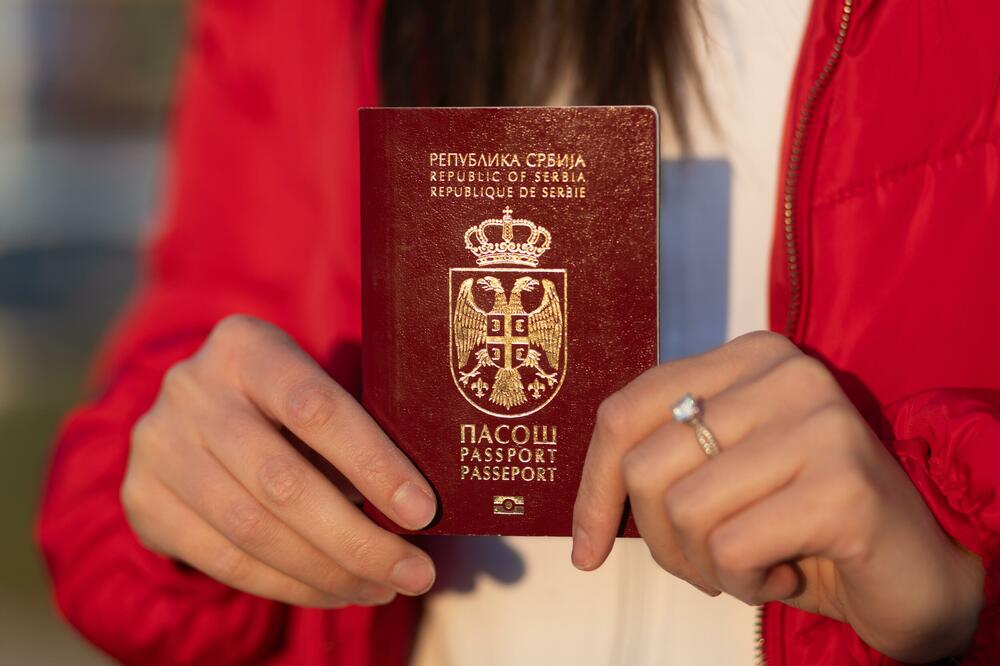
Individuals who can document their Serbian ethnic origins through parents, grandparents, or great-grandparents are entitled to apply for a simplified citizenship acquisition process by origin. For this, the applicant must provide archival documents confirming their ancestors’ belonging to the Serbian national community - birth certificates, marriage certificates, or other official records that confirm the family connection with a person of Serbian descent.
A feature of this pathway is the absence of a requirement for long-term residence in the country, as the basis for citizenship acquisition is the documented blood relationship, rather than actual residency. Applicants under this category are also exempted from the obligation to renounce their citizenship of origin, allowing them to retain dual citizenship status.
The procedure for confirming Serbian origin often requires contacting state archives both in Serbia and in the applicant’s country of origin, as a significant portion of the documents related to the Serbian diaspora, particularly in the context of historical migration waves of the last century, is scattered across archival institutions in several former Yugoslav countries and countries of emigration.
Repatriation as a basis for obtaining citizenship
The repatriation program is aimed at ethnic Serbs and members of the Serbian diaspora who wish to return to their ancestral homeland after long-term residence abroad. Individuals who resided in the territory of the former Socialist Federal Republic of Yugoslavia until February 27, 2005, and held citizenship of this state, as well as those who have legally resided in Serbia for at least nine years, have the right to obtain a Serbian passport through a simplified procedure.
Repatriates have a special legal status compared to regular migrants: they have the right to retain multiple citizenships, exiting from their previous passport solely at their own discretion rather than as a mandatory condition for acquiring Serbian citizenship. This provision greatly facilitates the process for individuals of Serbian descent who have lived in other countries of the former Yugoslavia or in emigration and wish to restore their legal connection with their ancestral homeland.
To confirm the right to repatriation, the applicant must provide documents evidencing former Yugoslav citizenship, proof of long-term residence in Serbia, and evidence of continuous ties with the country over the legally defined period.
Conditions for naturalization for foreigners
The standard naturalization procedure requires continuous legal residence of the foreigner in Serbia for at least three years based on a permanent residence permit, which is significantly shorter than in most European countries. The applicant is required to confirm the existence of a legal source of income sufficient for self-support as well as the absence of convictions for serious crimes both in Serbia and in their country of origin.
A prerequisite is the prior acquisition of a permanent residence permit, which precedes the naturalization process and requires separate confirmation of the purpose of residence in the country - employment, business, education, or family reunification. Only after obtaining permanent resident status does the three-year countdown needed to submit an application for citizenship begin.
Unlike repatriates and individuals of Serbian descent, applicants under the standard naturalization procedure are required to provide documentary evidence of renunciation of their citizenship of origin or at least official confirmation of the initiation of such a procedure, as Serbian legislation does not provide for the automatic acquisition of dual citizenship for this category of applicants.
Features of obtaining Serbian citizenship for Ukrainians
Ukrainian citizens who moved to Serbia after the start of the large-scale invasion have mostly legalized their stay based on temporary protection, which grants the right to reside and work in the country, but does not provide a direct basis for further acquisition of citizenship. To transition to the standard naturalization procedure, a person needs to obtain a permanent residence permit under general conditions, which requires confirmation of a stable source of income, availability of housing, and other criteria set by the country’s migration legislation.
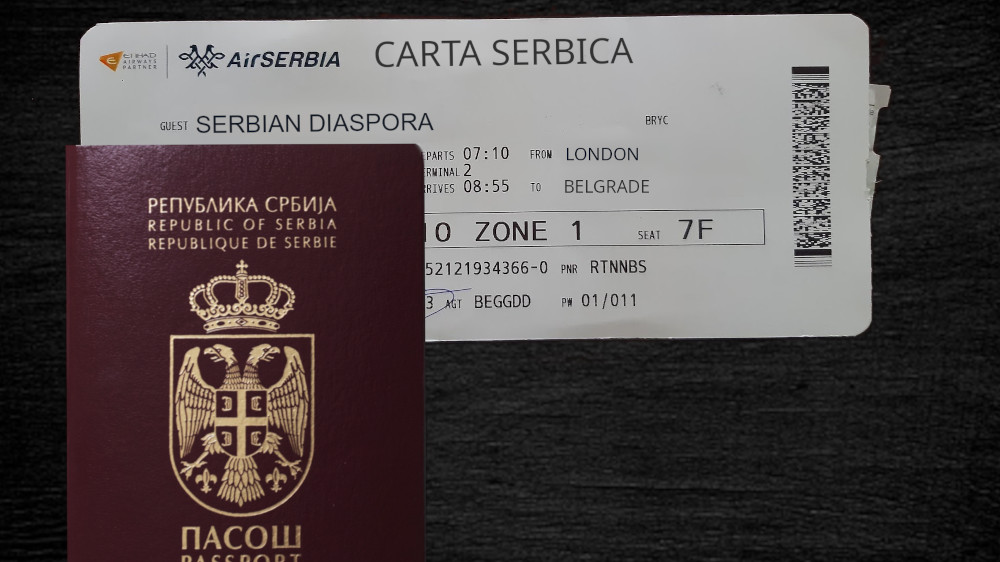
It is important to consider that there is no bilateral agreement on dual citizenship between Ukraine and Serbia, therefore Ukrainians who acquire Serbian passports through standard naturalization are generally required to document their renunciation of Ukrainian citizenship. Exceptions may apply to individuals who acquire citizenship through marriage to a Serbian citizen or can document Serbian ethnic origin, as legislation provides for the possibility of retaining previous citizenship for these categories.
Ukrainians who are in a registered marriage with a Serbian citizen have the right to a significantly reduced waiting period compared to standard naturalization, provided they confirm the reality of the marriage and joint residence for the period defined by legislation.
Documents and application procedure
The procedure for submitting an application for Serbian citizenship takes place through the territorial unit of the Ministry of Interior at the applicant’s residence. The standard package of documents required for submitting the application includes:
- A completed application form in the prescribed format in Serbian.
- The applicant's foreign passport and a document confirming the legality of prior residence in the country.
- A permanent residence permit or another document confirming legal residence for the prescribed period.
- A certificate of no criminal record, properly legalized for use in Serbia.
- Documents confirming the legal source of income and the applicant’s financial capacity.
- Confirmation of renunciation of previous citizenship or initiation of the respective procedure, except in cases provided by law.
- Marriage certificate or documents confirming Serbian descent, depending on the chosen grounds for citizenship acquisition.
All foreign documents are required to be translated into Serbian with notarized certification and legalized with an apostille. The consideration of the application by the competent authorities usually takes from several months to one year, depending on the complexity of the case, the chosen grounds for citizenship acquisition, and the completeness of the submitted document package.
Grounds for refusal of citizenship
The competent authorities of Serbia reserve the right to refuse citizenship to the applicant based on several legally defined grounds. The most common reason for refusal is non-compliance with the established term of legal residence in the country, particularly due to interruptions in continuity of stay or the annulment of the permanent residence permit before the application is submitted.
Another significant ground for refusal is the inability to confirm a sufficient legal source of income, necessary for the applicant's self-support without resorting to state social assistance. Having an outstanding conviction for serious crimes both in Serbia and in the country of origin is also a categorical ground for refusal, as legislation demands impeccable reputation from the applicant.
A separate ground for refusal is a demonstrated threat to the national security of the state, which is established based on the assessments by law enforcement and intelligence agencies of Serbia. Applicants who provided false information during the document submission or concealed significant facts from their biography receive a refusal without the right to a simplified re-application. In cases where applicants cannot confirm their renunciation of previous citizenship, the competent authorities may also refuse the final issuance of the Serbian passport until this discrepancy is resolved.
Overall, Serbia remains a relevant option for many, including Ukrainians. However, to obtain official status, one must navigate through a lot of complex bureaucratic procedures.

Read also