EU Enacts Full Ban on Russian Gas, Sets Timeline for Sanctions

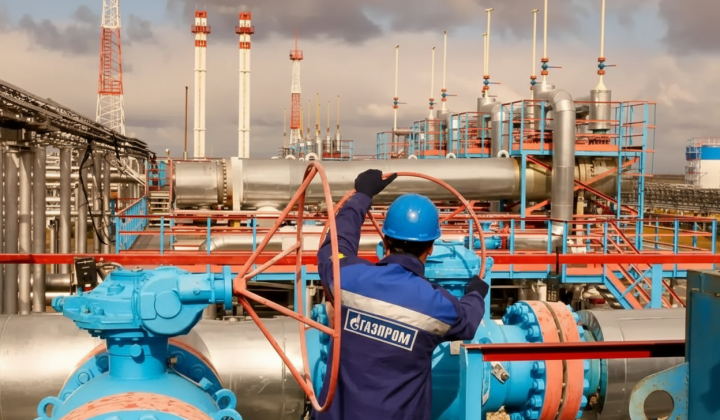
EU Bans Russian Gas Imports
According to Главком: The Council of the European Union has approved a phased prohibition on imports of Russian pipeline gas and liquefied natural gas (LNG). The initial phase of this ban will become effective six weeks after the relevant regulation is formally adopted. A complete ban on LNG imports will be implemented starting in early 2027, while the full prohibition on pipeline gas will take effect in the autumn of 2027. This move represents a decisive step in the EU's long-term strategy to sever energy ties with Russia.
Plans to Replace Russian Gas
EU member states are required to submit their plans for replacing Russian gas by March 1. Nations that still import Russian oil must also prepare similar strategies. The new regulations stipulate significant penalties for violations:
- For individuals, fines start at 2.5 million euros;
- For companies, fines begin at 40 million euros, or up to 3.5% of annual turnover, or 300% of the transaction's value.
In 2025, the Russian Federation earned 7.2 billion euros from supplying LNG from the Yamal region to the EU. Over the course of that year, more than 15 million tons of Russian LNG arrived at European terminals, with the EU's share of supplies from Yamal increasing to 76.1%, up from 75.4% the previous year. Conversely, Gazprom's pipeline gas deliveries to Europe in 2025 fell by 44% to 18 billion cubic meters, marking the lowest level since 1973. The record for supplies was set in the 2018-2019 period, when Gazprom pumped 170-180 billion cubic meters of gas to European countries.
This import ban on Russian gas is part of the European Union's broader efforts to reduce dependency on Russian energy resources, a priority that has gained urgency in the current geopolitical climate.
The initiative encompasses not only economic but also environmental considerations, as the EU aims to accelerate its transition to renewable energy sources. The initial stages of the ban may impact the energy security of some member states, necessitating proactive measures to adapt to new energy supply conditions.

Read also