Antarctica Could Raise Sea Levels by 2 Meters—Scientists Reveal When

Antarctic Ice Melt: A Looming Threat
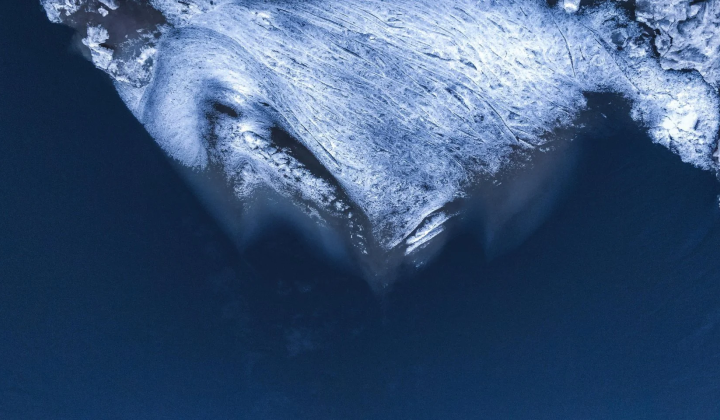
According to НВ — Техно: Researchers from Monash University have released a study indicating that within the next 30 to 50 years, the melting of Antarctic glaciers and the resulting sea level rise can be predicted with high accuracy. According to the Intergovernmental Panel on Climate Change (IPCC), if greenhouse gas emissions remain high, global sea levels could climb over 2 meters by 2100. This would force hundreds of millions of people from their homes, making the issue incredibly urgent.
Uncertainty After Mid-Century
The study emphasizes that forecasts for Antarctic ice loss remain reliable up until the middle of the 21st century. Scientists argue that if current models accurately reflect present-day melting rates, they can also be trusted to predict Antarctica's contribution to sea level rise in the coming decades. However, after mid-century, the situation becomes far less predictable, sparking additional concern among researchers and experts.
It is important to note that some Antarctic glaciers rest on bedrock situated below sea level, which complicates matters further. This geological feature could accelerate ice loss, in turn driving up global sea levels. The research underscores the need for urgent action and preparation for potential consequences, as climate change has already impacted ecosystems and human lives across many regions worldwide.
This study marks a significant step in understanding the effects of climate change and sea level rise. Scientists are calling on governments and international organizations to take aggressive measures to cut greenhouse gas emissions and prepare for possible humanitarian crises ahead. Given that the situation with glacier melting may become even less predictable, leveraging these findings is crucial for shaping policy and safeguarding populations.
As scientists delve deeper into the mysteries of Antarctica, recent discoveries reveal that certain bacteria have survived for a million years without sunlight. This remarkable resilience of life in extreme conditions highlights the complex interplay between climate change and biological adaptation. Understanding these organisms could provide valuable insights into the ongoing challenges posed by melting ice and rising sea levels. For more on this fascinating topic, see how these ancient bacteria thrive in one of the harshest environments on Earth.

Read also