EU Moves to Reduce Reliance on US Energy Following Trump's Greenland Remarks

Europe's Energy Security Strategy
According to Главком: In response to former President Donald Trump's statements concerning Greenland, the European Union has decided to reduce its energy dependence on the United States. This shift comes as the EU's reliance on American natural gas has surged in recent years, a direct consequence of moving away from Russian supplies. Currently, the US supplies over 25% of the EU's gas, a dramatic increase from just about 5% five years ago. This pivot is part of a broader European strategy to secure its energy future against geopolitical volatility.
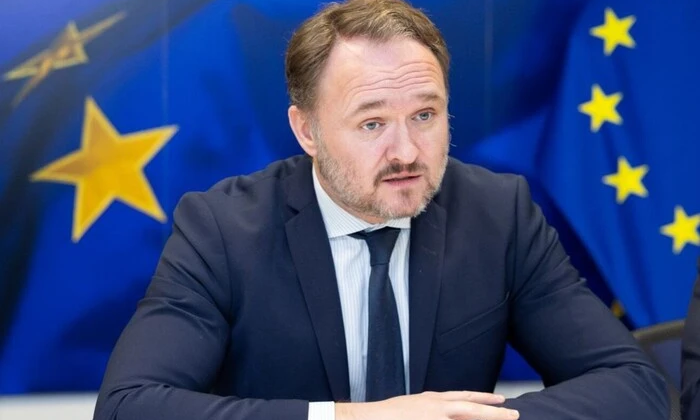
Led by Energy Commissioner Dan Jørgensen, the European Commission is actively working to broaden its partnerships with other major gas suppliers, including:
- Canada
- Qatar
- Algeria
- Other North African nations
Commissioner Jørgensen stated that Trump's remarks served as a stark warning for the EU, highlighting that energy ties with the US could no longer be considered stable. He emphasized, however, that the EU's goal is not to reduce trade with the United States or to initiate a trade conflict.
Ongoing Diplomatic Talks on Greenland
Simultaneously, representatives from the United States, Denmark, and Greenland have resumed negotiations to resolve the diplomatic crisis surrounding the Arctic island. US President Donald Trump has outlined a framework plan reflecting his vision for Greenland's future status. Trump also noted that reaching an agreement with Europe would preclude the imposition of new tariffs on European countries.
Dan Jørgensen: 'The EU can no longer consider energy links with the US to be stable.'
Consequently, the European Union is aggressively seeking new energy sources to lessen its dependence on American supplies, while diplomatic discussions over Greenland's status continue. The EU's push for diversification is a direct effort to insulate its economy from external political pressures and ensure long-term supply stability.
Amid intensifying global competition for energy resources, the European Union is striving to identify alternatives to stabilize its energy imports. This strategy aims not only to decrease reliance on the United States but also underscores the EU's commitment to diversifying its energy portfolio in reaction to shifts in the geopolitical landscape. The Greenland negotiations further underscore the critical role of international cooperation in managing disputes over strategic territories and resources.

Read also