Estonia Joins Tribunal on Russian Aggression and Monitors 'Narva Republic' Campaign

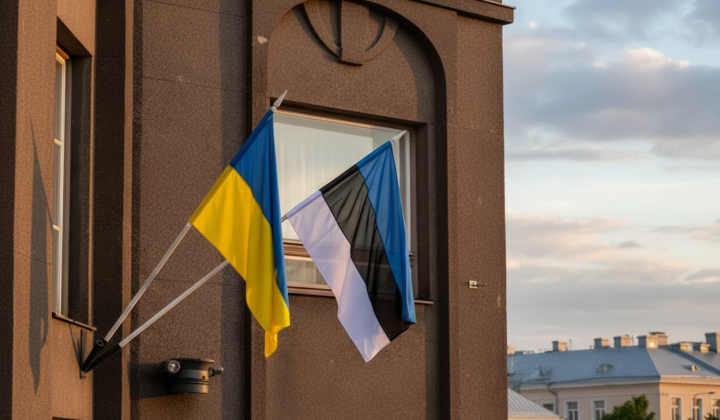
Interview with Ukraine's Ambassador to Estonia
According to Главком: In an interview with 'Glavcom', Ukraine's Ambassador to Estonia, Volodymyr Boiechko, discussed the integration of Ukrainian refugees, the country's linguistic landscape, and a disinformation campaign related to the creation of a so-called 'Narva People's Republic'. He noted that Estonian security services have observed social media activity that could indicate preparations for a scenario similar to the events of 2014 in Ukraine. Estonia, a NATO member, is particularly vigilant about hybrid threats from its eastern neighbor.
Volodymyr Boiechko stressed that there are no complaints in Estonia regarding Ukrainian refugees that would suggest local fatigue with their presence.
"Estonians see that Ukrainians are reasonable and behave normally. At the very least, they try to learn the local language at some basic level,"
he stated. The Ambassador also noted that much depends on the Ukrainian mentality, as Ukrainians typically adapt more flexibly to the rules of their host country than nationals of other backgrounds.
Estonia's Official Commitments
A significant development was Estonia's official accession to the agreement on establishing a special tribunal for the crime of Russian aggression against Ukraine. This agreement provides for the creation of a governing committee for the special tribunal, underscoring Estonia's commitment to justice and international law.
It is also worth noting that, due to historical circumstances, a portion of Estonia's population does not speak Russian, while others do not speak Estonian. This stems from the existence of two parallel education systems during the Soviet period. Volodymyr Boiechko mentioned that he personally uses translation aids, as he has not yet learned Estonian to a sufficient level.
Thus, the integration of Ukrainian refugees in Estonia continues despite existing challenges, with state support remaining high. The situation with Ukrainian refugees in Estonia is a crucial component of international relations and humanitarian policy in the region. Support from the Estonian authorities and the active integration of Ukrainians into society demonstrate the country's readiness to accept and support people fleeing war. Simultaneously, the threat from destructive information campaigns attempting to provoke regional tension, as seen in 2014, remains a concern for Ukraine and its allies.
In light of recent developments regarding the integration of Ukrainian refugees in Estonia, it is important to consider the broader context of legal challenges faced by Ukrainians in Europe. The situation around forced returns raises critical questions about the rights of refugees. For a deeper understanding of this issue, read more about the legal implications of refugee policies in the EU.

Read also