Estonia's NATO Proposal: A New Strategy to Counter Russia's Shadow Fleet

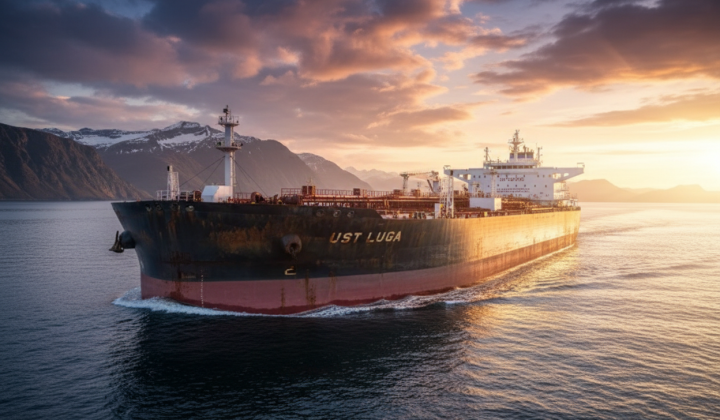
Estonia Proposes New NATO Tactic Against Russian Shadow Fleet
According to Главком: Estonia's NATO ambassador, Jüri Luik, has outlined a new approach for confronting Russia's 'shadow fleet' of oil tankers. He argues that intercepting these vessels would be more effective outside the Baltic Sea, where broader coordination with allies is possible. Russia is known to use warships to escort these shadow tankers, which are bound for China and India or attempting to traverse the Northern Sea Route. This fleet is a key tool for Moscow to circumvent international sanctions on its energy exports.
Luik stressed that a unified effort is crucial. If the task of stopping these ships falls solely to Finland and Estonia, Russia will maintain a strategic advantage. He noted that because Russian naval vessels actively escort the shadow tankers, the responsibility cannot rest with just these two nations.
Coordinated Action with Allies
The ambassador pointed out that allies are already taking similar steps elsewhere. For instance, France has intercepted vessels near Brest and in the Mediterranean. Furthermore, the United States previously seized the tanker Aquila II in the Indian Ocean for sanctions violations. Luik is confident that allies must work together on this issue.
'We know what these vessels are and where they are heading. Some of them, so to speak, turn left and head towards China and India from one direction.' – Jüri Luik
According to Luik, these ships could be stopped in the North Sea, the Atlantic, or the Mediterranean-options he acknowledges are safer than confrontations in the confined Baltic.
Luik expressed hope that all allies will join these efforts, which would allow for a more effective counter to Russia's shadow fleet.
Estonia's proposal for a new tactic highlights the critical need for international coordination in ensuring maritime security. The strategy's success will likely depend on the willingness of NATO members to collaborate. Given rising regional tensions, Estonia's initiative could mark a significant step in strengthening the alliance's collective security and deterring Russian aggression.

Read also