Russian Drones Complicate Evacuations from Kramatorsk

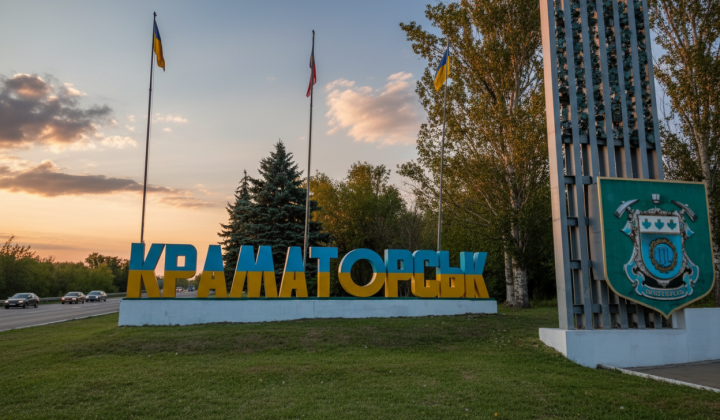
The Situation in Kramatorsk
According to Главком: Evacuations from the Donetsk region are ongoing, despite the dangers and challenges posed by daily shelling. Residents of Kramatorsk, a city located just 15 kilometers from the front line, are reluctant to leave their homes. Yevgen Tkachov, who leads evacuation efforts in the Donetsk region for the humanitarian mission Proliska, points to the emotional toll as a major factor:
'First, there’s the moral aspect. It’s incredibly hard for people to uproot and move somewhere else.' Yevgen Tkachov
Adding to the constant threat of Russian artillery, which strikes the city almost daily, the risk of drone attacks further complicates the situation. According to Tkachov, evacuation routes are now being shadowed by Russian drones, which are increasing in both number and range. This has heightened fears among Kramatorsk residents, who realize they may never return to their homes.
Local Residents' Concerns
At the start of the full-scale war in 2022, many people fled the city due to the direct danger from Russian occupiers. Among the local activists supporting evacuation efforts is Bohdan Zuyakov, founder of the NGO Kramatorsk Volunteer Union, who states:
'As long as people need help, we must stay here.' Bohdan Zuyakov
Victoria Goncharenko, a local artist, also shared her anxieties: 'We will have to leave, yes, we will go-of course, no one wants to live under occupation. But we don’t want to. This is our city; everything here is dear to us.' She emphasized that as long as the city remains alive, they will stay: 'While the city lives, we are here.'
As a result, the situation in Kramatorsk remains tense, and evacuations from the Donetsk region require active support and understanding from both the state and society.
The situation in Kramatorsk and other cities in the Donetsk region highlights the complex and multifaceted challenges local residents face during wartime. Despite ongoing threats, many people hesitate to abandon their homes, reflecting deep emotional and psychological ties to their native places. Continuing evacuations and ensuring safe conditions for residents remain critical tasks for government agencies and humanitarian organizations.
In light of the ongoing threats, local authorities in Kramatorsk are also taking measures to safeguard cultural heritage from Russian attacks. The efforts to protect significant monuments, such as those dedicated to Shevchenko and Bykov, highlight the city's resilience amid adversity. For more on how Kramatorsk is striving to preserve its identity during these challenging times, read about the initiatives being undertaken to protect its monuments from shelling.

Read also