European Allies Draft Strategy to Bring Russia to Ukraine Peace Talks

Negotiations to End the War
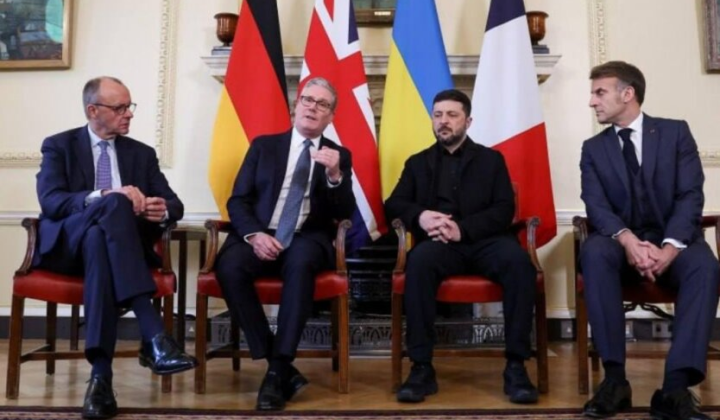
According to ХВИЛЯ: Key European backers of Ukraine-including Germany, France, and the United Kingdom-are working alongside Kyiv to craft a plan aimed at drawing Russia into negotiations to end the conflict. This effort is driven by shifting dynamics on the battlefield and inside Russia, which are now seen as advantageous for Ukrainian President Volodymyr Zelenskyy. Notably, earlier U.S.-mediated talks failed to produce results, prompting a search for fresh approaches.
According to available information, Russian forces are suffering mounting losses, and the front line has largely stalled. Growing pressure on the Kremlin stems from successful Ukrainian drone strikes deep inside Russian territory, as well as increasing signs of internal opposition to the war at senior levels in Moscow. The final decision on whether to pursue negotiations rests with Zelenskyy, who recently underscored the need for Europe to take a more active role in the process.
'Europe should carve out a role for itself in the negotiation process, which so far has been led primarily by the United States.' - Volodymyr Zelenskyy
In the coming days, UK Prime Minister Keir Starmer is set to meet with German Chancellor Friedrich Merz and French President Emmanuel Macron to discuss the situation. However, skepticism persists among officials from the E3 countries. Some argue that the timing isn't right for talks, as Russian President Vladimir Putin has shown no genuine commitment and continues to push maximalist demands-such as the return of Ukraine's unoccupied territories.
Critics stress that allies must provide Zelenskyy with the necessary weapons and tighten sanctions pressure on the Kremlin. They believe that any effort to engage Russia should be coordinated closely with the United States. Earlier, Bloomberg reported that senior officials from Russia's Finance Ministry and central bank warned Putin that war costs are becoming unsustainable. Still, Putin ordered military spending to be protected, calling for cuts in other areas instead.
Complex Landscape for Possible Talks
As a result, the outlook for potential negotiations remains complex and multifaceted, shaped by numerous factors that could influence how events unfold. Ukraine's stance and the positions of its international partners-who aim to ensure regional stability-are critical. The success of any dialogue will ultimately hinge on all sides' willingness to compromise and on meaningful shifts in Russia's political direction.
As European leaders prepare for crucial discussions on engaging Russia, recent signals from Berlin suggest a potential opening for dialogue. This evolving situation underscores the importance of unity among allies in shaping a cohesive strategy that balances pressure on Moscow with the pursuit of peace.

Read also